Rohu at Home: Cleaning, Storing, Y-Bones and Freshwater Facts
Rohu is one of the most familiar fish in Pakistani kitchens, yet it is also the one people ask the most questions about. Why so many small bones? How do you get rid of that earthy smell? Can it go in the freezer? This guide answers those questions and more, covering cleaning, storage, thawing, marinating and leftovers for Rohu (Rahu), along with a closer look at the fish itself and how it differs from other carps sold in Pakistan.
Meet the Rohu
Rohu, Labeo rohita, is a freshwater fish from the carp family (Cyprinidae). It is native to the rivers of South Asia, including the Indus system, and is now one of the most widely farmed fish in Pakistan, particularly in Punjab and Sindh. It feeds mainly on plants and plankton in the middle layers of ponds and rivers. You will hear it called Rohu, Rahu or simply carp.
Rohu and its look-alikes
Rohu is often farmed together with two other major carps, and with imported carp species. Here is how to tell them apart:
| Fish | How to recognise it |
|---|---|
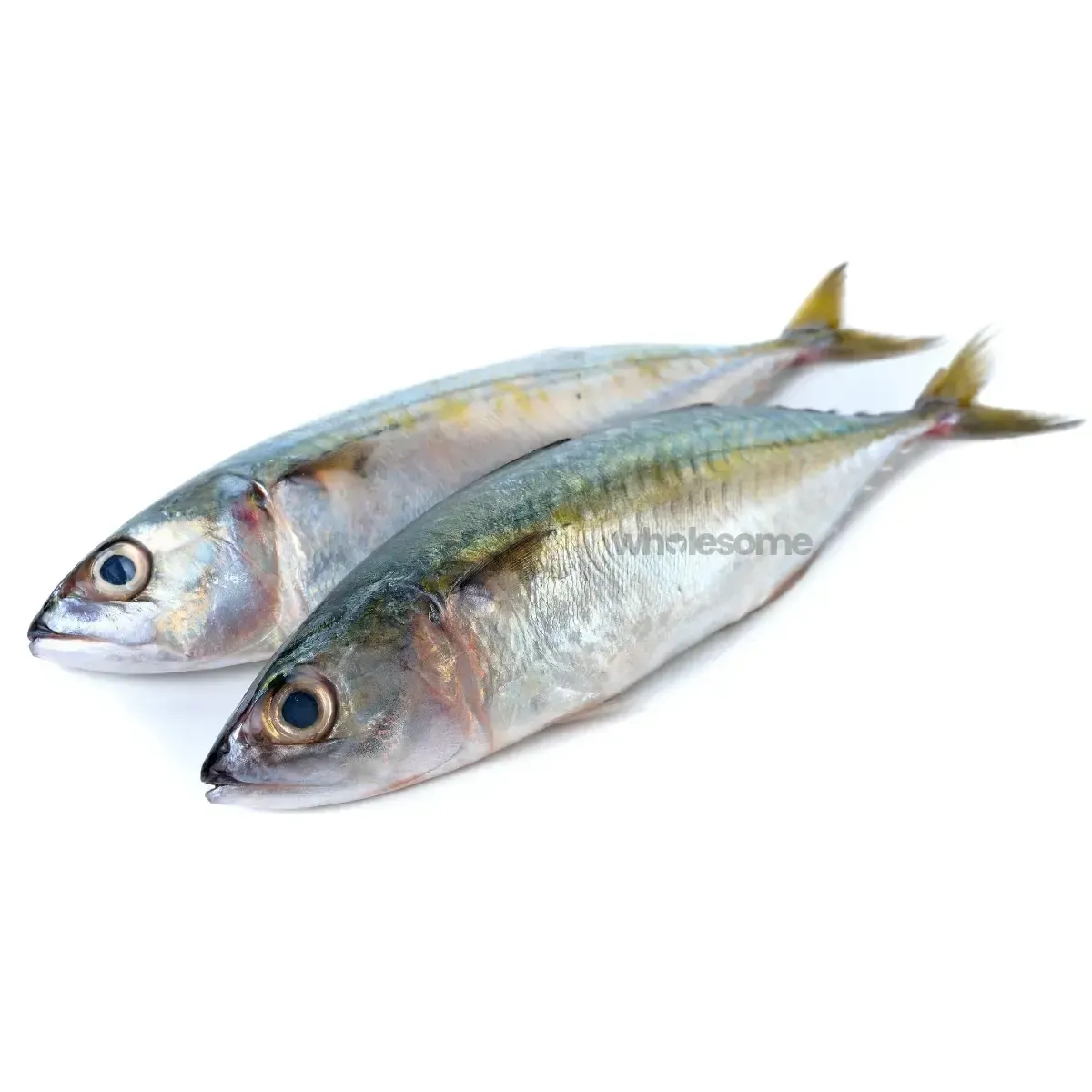
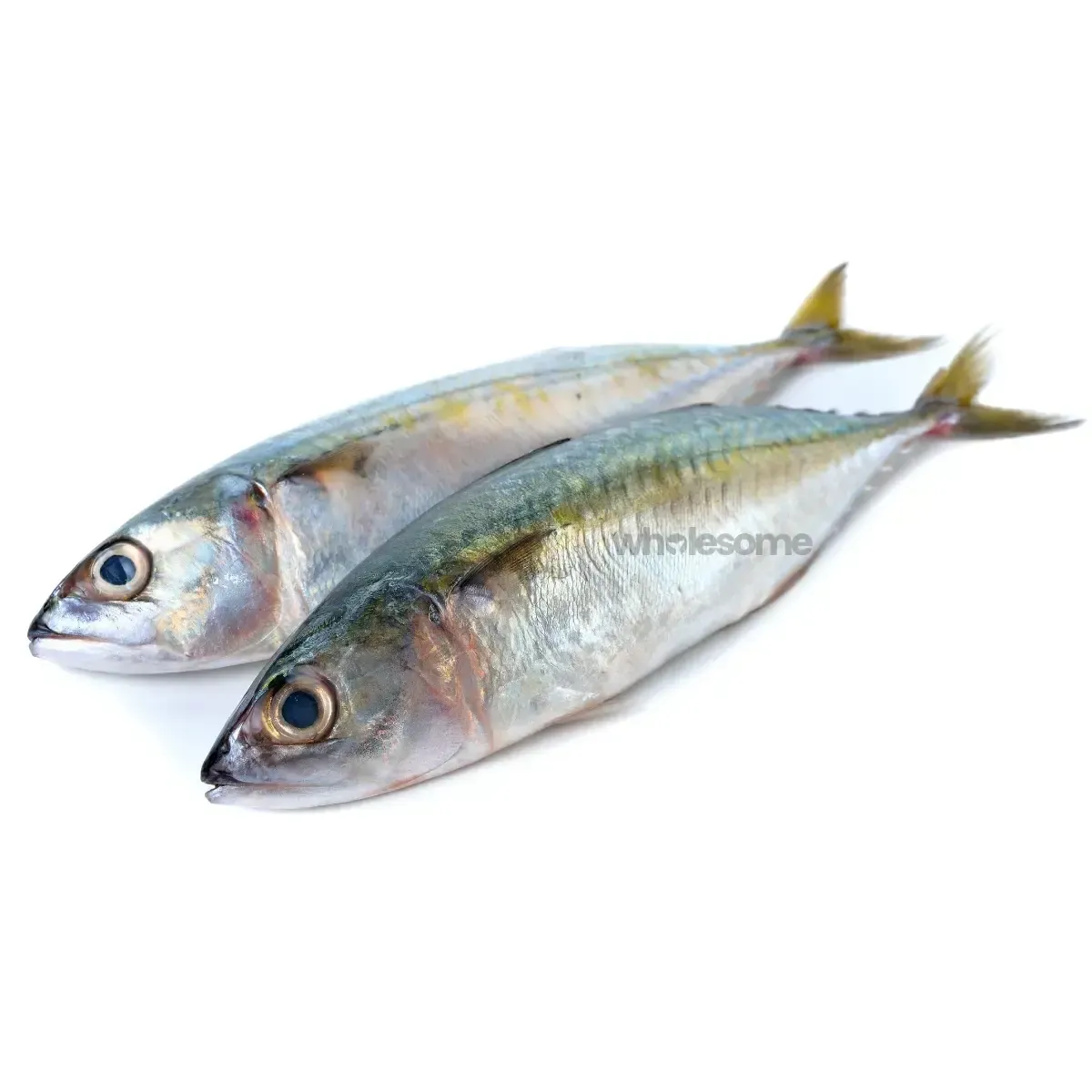
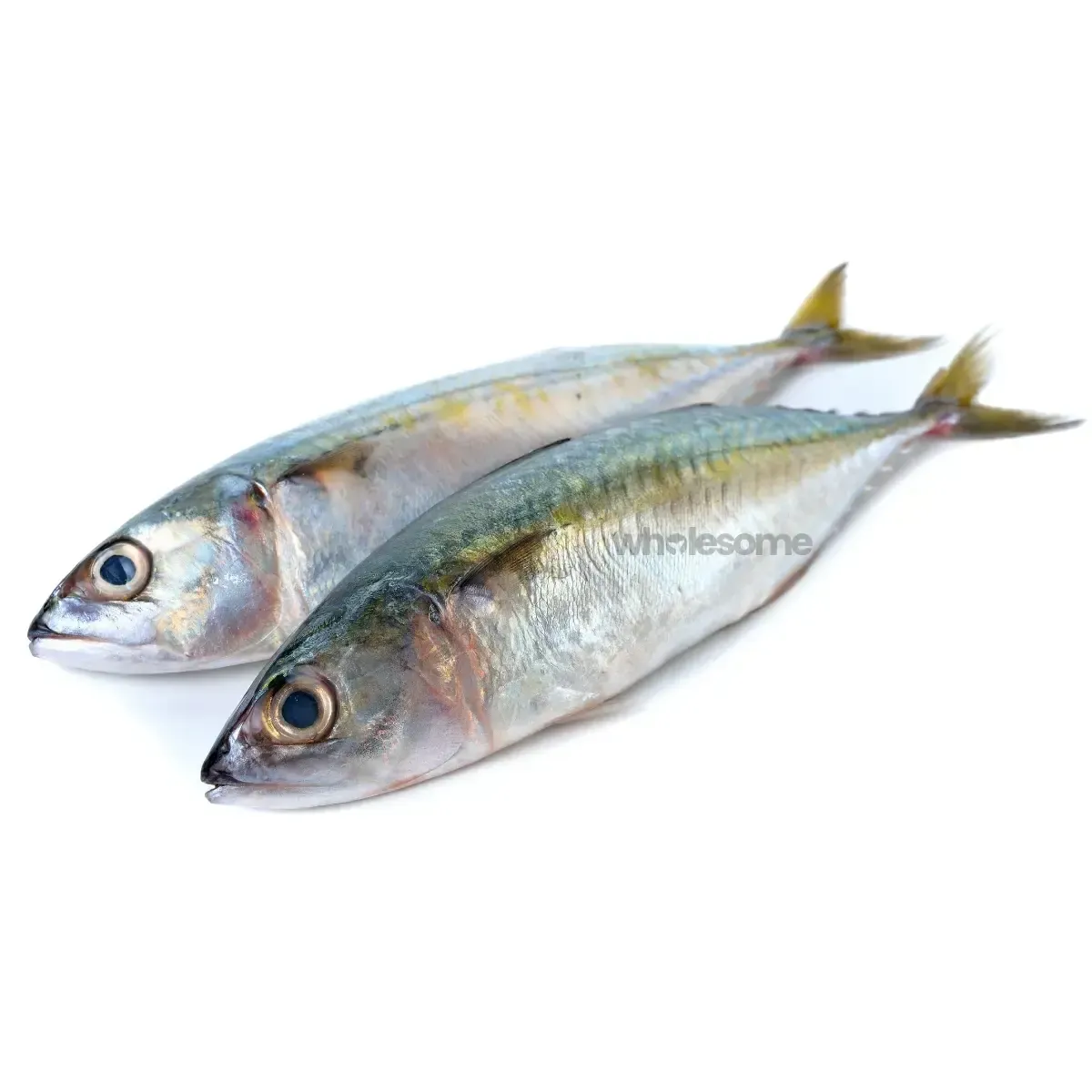
| Rohu (Rahu) | Elongated, moderately deep body; large silvery scales with a pink-red tint; reddish fins; small mouth pointing slightly down. |
| Thaila (catla) | Very broad, large head; upturned mouth; deeper body with greyish back. |
| Mori (mrigal) | Slimmer, more streamlined, silvery body; blunt snout; less red colouring. |
| Grass carp and silver carp | Imported carps that are also farmed; grass carp is long and cylindrical, silver carp has very small scales and a low-set eye. |
Why Rohu Has So Many Bones
Carps, Rohu included, have small, forked bones known as intramuscular or Y-bones embedded in the muscle above the ribs and along the back. They are a natural feature of the species. Here is how to live with them:
- Eat slowly and flake the flesh with your fingers or a fork, feeling for bones as you go.
- Choose thicker slices; broader pieces make bones easier to spot and remove.
- Serve children boneless cuts – fillet, biscuits or fingers – and still check each piece, as an occasional small bone can remain.
- Cook thoroughly; well-cooked flesh separates from the bones more cleanly.
Cleaning Rohu at Home
If you buy Rohu Whole (uncleaned), set aside some time – the scales are large and firmly attached.
- Work on a board kept only for raw seafood, ideally near the sink.
- Hold the fish by the tail and scrape firmly from tail to head with a fish scaler or the back of a heavy knife. Doing this inside a large bag or under running water keeps scales from flying.
- Cut off the fins with kitchen scissors.
- Slit the belly and remove the innards. Take care not to burst the gall bladder, a small greenish sac near the liver – its contents are very bitter.
- Remove the gills and scrape away the dark lining and blood along the backbone.
- Rinse well under cold running water.
- Cut into round slices across the body, or fillet along the backbone if preferred.
Wash all utensils, the sink and your hands thoroughly with hot soapy water afterwards.
Removing the Earthy Smell
Pond-raised carp sometimes carry a mild earthy or muddy note. It is not harmful, and it is easy to reduce:
- Rub the cleaned pieces with salt and lemon juice or vinegar.
- Alternatively, make a thin paste of besan and water and rub it over the fish.
- Leave for about 10 minutes in the fridge, then rinse thoroughly and pat dry.
- Removing the dark lining inside the belly also helps.
A strong sour or ammonia-like smell is different – that indicates spoilage, and the fish should not be used.
Refrigerator Storage
- Refrigerate at 0–4 °C as soon as the fish arrives.
- Store in a covered container on the lowest shelf, so juices cannot drip onto other foods.
- Keep scaled and gutted fish dry; lay a sheet of kitchen paper under the slices.
- Cook within 1–2 days.
Freezing Rohu
- Clean, rinse and pat the fish completely dry.
- Wrap slices or fillets tightly in cling film in meal-sized portions, then put them in a freezer bag with the air pressed out.
- Label with the date and freeze at -18 °C or below.
- Freeze as soon as possible after purchase for the best texture.
Tip: do the smell-reducing wash after thawing, not before freezing, so the flesh does not absorb extra moisture.
Thawing Safely
Thaw Rohu overnight in the fridge on a plate. For quicker thawing, keep it sealed in a bag and submerge in cold water, changing the water every 30 minutes. Never thaw on the counter, and do not refreeze raw fish once it has thawed. Pat thawed fish dry before marinating or frying.
Marinating Safely
- Always marinate in the fridge, covered.
- Lahori-style dry marinades and besan batters can rest for 30 minutes; very acidic marinades should be shorter, as Rohu's soft flesh can turn mushy.
- Throw away any marinade or leftover batter that has touched raw fish.
- Use a clean plate for fried fish, not the one that held the raw pieces.
Leftovers
Fried Rohu is best eaten fresh and crisp, but leftovers can be enjoyed. Cool them quickly, refrigerate in a covered container and eat within a day. Re-crisp fried slices in a hot oven or air fryer until piping hot right through. Salan reheats well on the stove; bring it to a gentle simmer. Leftover fried Rohu can also be deboned and flaked into a spicy fish bhurji with onions, tomatoes and green chillies.
Rohu and Nutrition
Like fish in general, Rohu is a good source of protein. It has a mild flavour that many people who are not keen on sea fish enjoy, making it an easy way to include fish in the family diet. The cooking method makes a big difference: baking, grilling or a light salan uses much less oil than deep frying. If you have particular dietary needs, or are pregnant, follow your doctor's advice on fish intake.
Availability
Rohu is closely linked with winter fish season in Pakistan, though farmed fish can appear through much of the year. Size and supply vary, so check the product page or ask FishMart about today's stock.
Make Rohu Easy
Scale it well, avoid the gall bladder, give it a quick lemon or besan wash, keep it cold and cook it within a day or two – and Rohu becomes one of the simplest fish to enjoy. Order Rohu on FishMart, explore more of our Freshwater Fish such as Tilapia, or revisit the Rohu buying guide.
Frequently asked questions
Is the earthy smell in Rohu a sign of spoilage?
No. A mild earthy note is common in pond-raised carp and can be reduced with a salt and lemon or besan wash. A sour or ammonia-like smell, however, means the fish has spoiled.
What is the gall bladder and why avoid it?
It is a small greenish sac near the liver. If it bursts during cleaning, its very bitter liquid can taint the flesh, so remove the innards carefully.
Can I freeze Lahori-marinated Rohu?
It is better to freeze plain, cleaned fish and marinate after thawing. Batters and acidic marinades can change the texture in the freezer.
Is Rohu the same as Thaila?
No. Both are freshwater carps often farmed together, but Thaila (catla) has a much broader head and upturned mouth, while Rohu has reddish-tinted scales and fins.