Buying Rohu: How to Choose Rahu for Fried Fish, Salan and More
Ask anyone from Lahore, Multan or Hyderabad about fish, and Rohu will come up within a minute. This freshwater carp is the fish behind countless winter evenings of crispy fried fish, steaming chai and mint chutney. It is mild, takes spices beautifully and is familiar to almost every Pakistani family. But Rohu is also a fish with its own quirks – fine bones, large scales and, occasionally, an earthy smell – so it pays to know what you are buying. This guide explains how to choose Rohu (Rahu), which cut suits which dish, and how to order it online without guesswork.
Rohu at a Glance
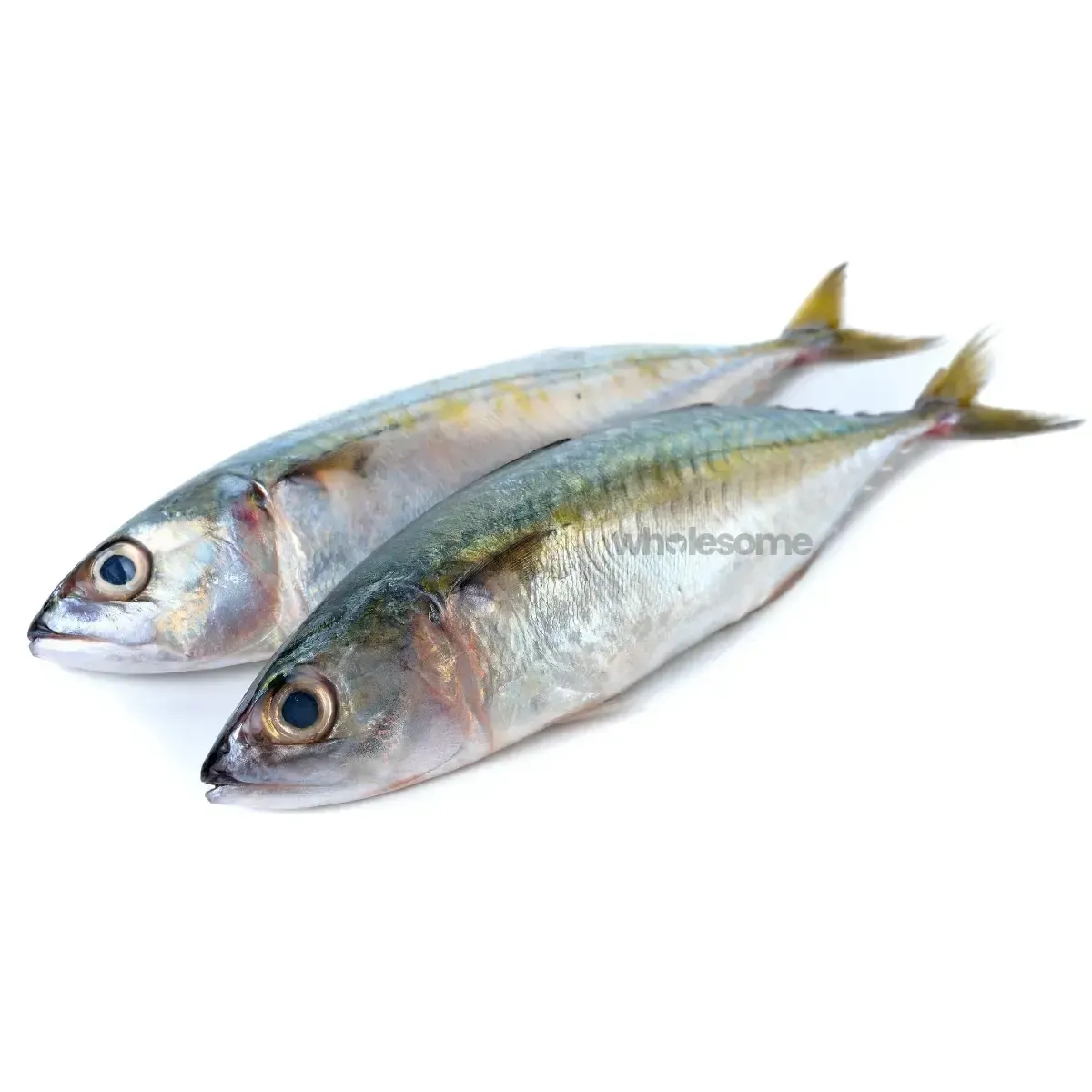
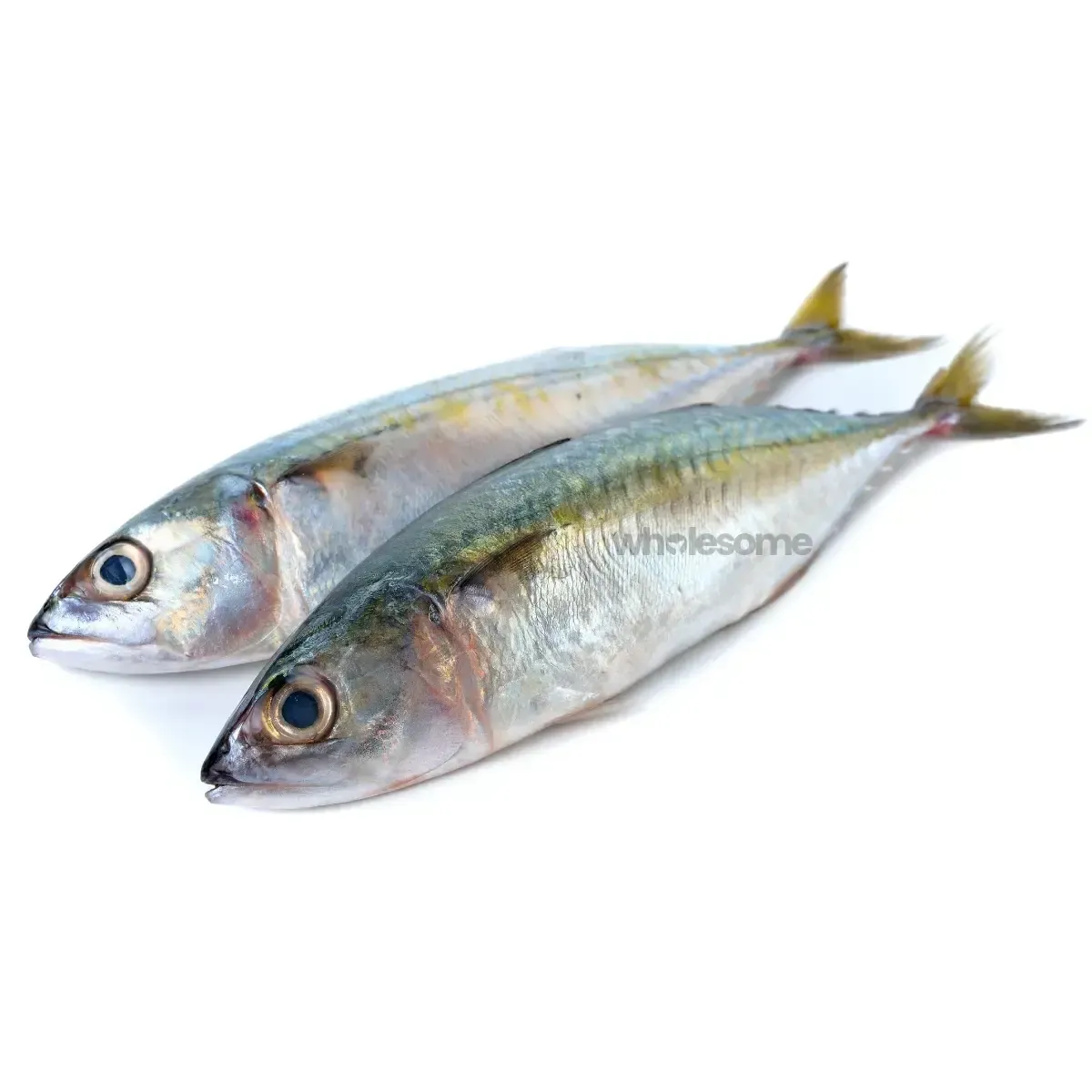
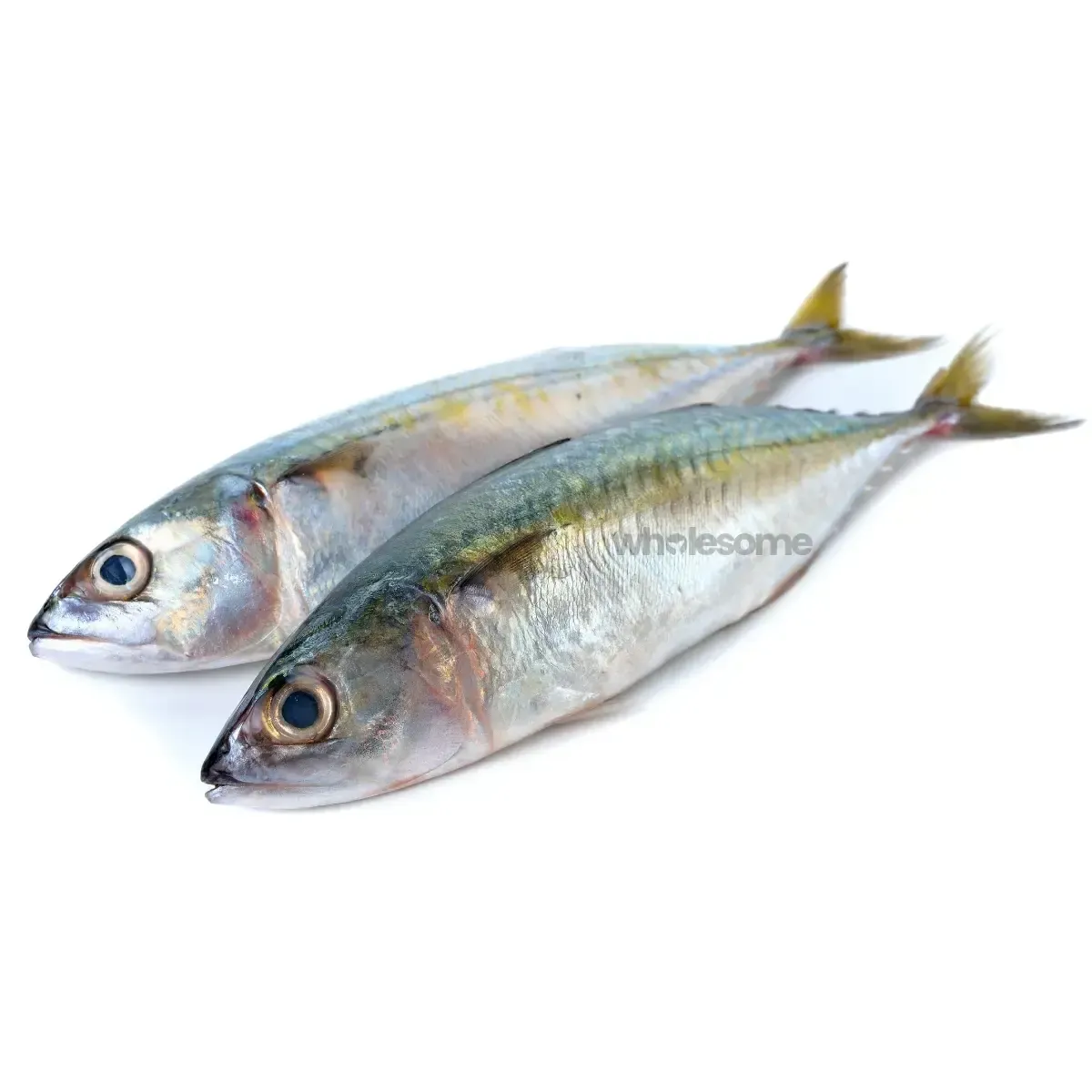
Rohu, Labeo rohita, is one of the major carps of South Asia. In Pakistan it is mostly raised in fish farms and ponds, and it also lives in rivers and canals. A good Rohu has a deep, elongated body, large silvery scales with a pinkish-red tint, reddish fins and a small mouth that points slightly downwards. It is closely related to Thaila (catla) and Mori (mrigal), which are often farmed alongside it and look broadly similar at first glance.
How to Check Freshness
Eyes
Fresh Rohu has bright, clear, slightly bulging eyes. Sunken or milky eyes indicate an older fish.
Gills
Lift the gill cover. You want bright red, moist gills. Dark maroon, brown or slimy gills are a sign the fish is not fresh.
Scales
Rohu scales are large, so they are a useful clue. On a fresh fish they are shiny, tightly attached and show that characteristic pink-red sheen. Scales that come off easily at a touch, or a dull, dry surface, suggest age or rough handling.
Firmness
Press the thick part of the back. Fresh flesh springs back. Rohu is naturally softer than many sea fish, but it should never feel mushy, and the belly should not be bloated or sagging.
Smell
Freshwater fish have a different smell from sea fish – milder and more like fresh water and grass. A slight earthiness is common in pond-raised carp and can be reduced with a lemon or vinegar rinse. A sour, ammonia-like or rotten smell is never acceptable.
Checking Slices and Boneless Cuts
- Colour – the flesh should be moist and white to off-white, sometimes with a faint pink tinge near the skin. Avoid grey or yellowish pieces.
- No gaping – the flesh should be tight and smooth, not split or flaking apart before cooking.
- Bloodline – the dark strip near the backbone should be red, not brown.
- Smell – clean and mild.
Understanding Rohu's Bones
The question most people ask about Rohu is about bones. As a carp, Rohu has a main backbone and also many fine, forked intramuscular bones (Y-bones) embedded in the flesh. They are part of the fish, not a defect. Here is how to choose:
- Bone-in slices give the best flavour and juiciness. Adults who are used to Rohu simply flake the flesh away from the bones as they eat.
- Boneless cuts – fillet, biscuits and fingers – are much easier for children, guests and anyone in a hurry. Removing Rohu's fine bones is painstaking, so an occasional small bone can still remain; always check pieces before serving young children.
Which Cut for Which Dish
| Cut | Best for |
|---|---|
| Whole (uncleaned) | Experienced cooks who prefer to clean and cut fish at home |
| Whole and Gutted | Whole baked or grilled fish for a gathering |
| Headless and Gutted | Cutting your own slices at home; oven roasting |
| Slices | Lahori fried fish, masala tawa fry, salan |
| Boneless Fillet | Grilling, baking, pan-frying |
| Boneless Biscuits | Fish karahi, tikka, boneless salan |
| Boneless Fingers | Fish pakoras, crumb-fried fingers, kids' snacks |
Thickness and Size
For deep-fried Lahori fish, medium-thick slices work best: thick enough to stay juicy, thin enough to cook through before the batter over-browns. For salan, slightly thicker slices hold together better in the gravy. Larger fish give broader slices with more flesh between the bones, which many fried-fish fans prefer. Fish size depends on stock, so if you have a preference, ask FishMart what is available.
How Much to Order
- Slices for fried fish or salan: around 1 kg for a family of four.
- Boneless cuts for pakoras or fingers: roughly 750 g for four.
- Whole fish: order extra, since the head, scales and innards make up a good share of the weight.
Seasonality
In Pakistani food culture, winter is fish season, and Rohu is the fish most associated with those cold-evening fry-ups. Farmed Rohu can be found through much of the year, but availability and size vary, so check the product page or ask FishMart about today's stock.
Ordering Rohu Online: What to Specify
- The cut – slices for frying and salan, boneless for children and pakoras.
- Slice thickness – mention if you prefer thinner slices for crisp frying or thicker ones for gravy.
- Head – if you want the head for a traditional salan, ask for it to be kept.
- Cooking day – plan to cook within 1–2 days of receiving the fish, or freeze it promptly.
Common Mistakes to Avoid
- Skipping the pre-rinse. A quick rub with salt and lemon or vinegar, followed by a rinse, freshens the fish and reduces any earthiness.
- Frying on very high heat. The batter darkens before thick slices cook inside. Medium heat is the Lahori way.
- Serving bone-in slices to small children. Choose boneless cuts for them and check carefully.
- Comparing it with sea fish. Rohu has its own character – softer and sweeter. If you want firmer, sea-fish texture for frying, try Mushka (Croaker).
If you like freshwater fish but want fewer fine bones, Tilapia from our Freshwater Fish range is worth a try.
Ready for Fish Season
Bright eyes, red gills, shiny, firmly attached scales and a clean, mild smell – that is a good Rohu. Pick slices for classic fried fish and salan, boneless cuts for children and pakoras, and order what you will cook within a day or two. Order Rohu from FishMart, then head to our Lahori fried Rohu and salan recipes.
Frequently asked questions
Is farmed Rohu good for fried fish?
Yes. Most Rohu in Pakistan is farmed, and it is the everyday fish for Lahori fried fish. Freshness and handling matter more than whether it was farmed or river-caught.
What is the difference between Rohu, Thaila and Mori?
All three are freshwater carps often farmed together. Thaila (catla) has a very broad head and upturned mouth, Mori (mrigal) is slimmer and silvery, and Rohu has a reddish tint to its scales and fins with a small downturned mouth.
Can boneless Rohu still have bones?
Because Rohu has many fine bones, an occasional small bone can remain in boneless cuts. Check pieces carefully before serving young children.
Which thickness is best for Lahori fried fish?
Medium-thick slices fry best: they stay juicy inside and cook through before the besan coating gets too dark.