Fresh Sea Fish
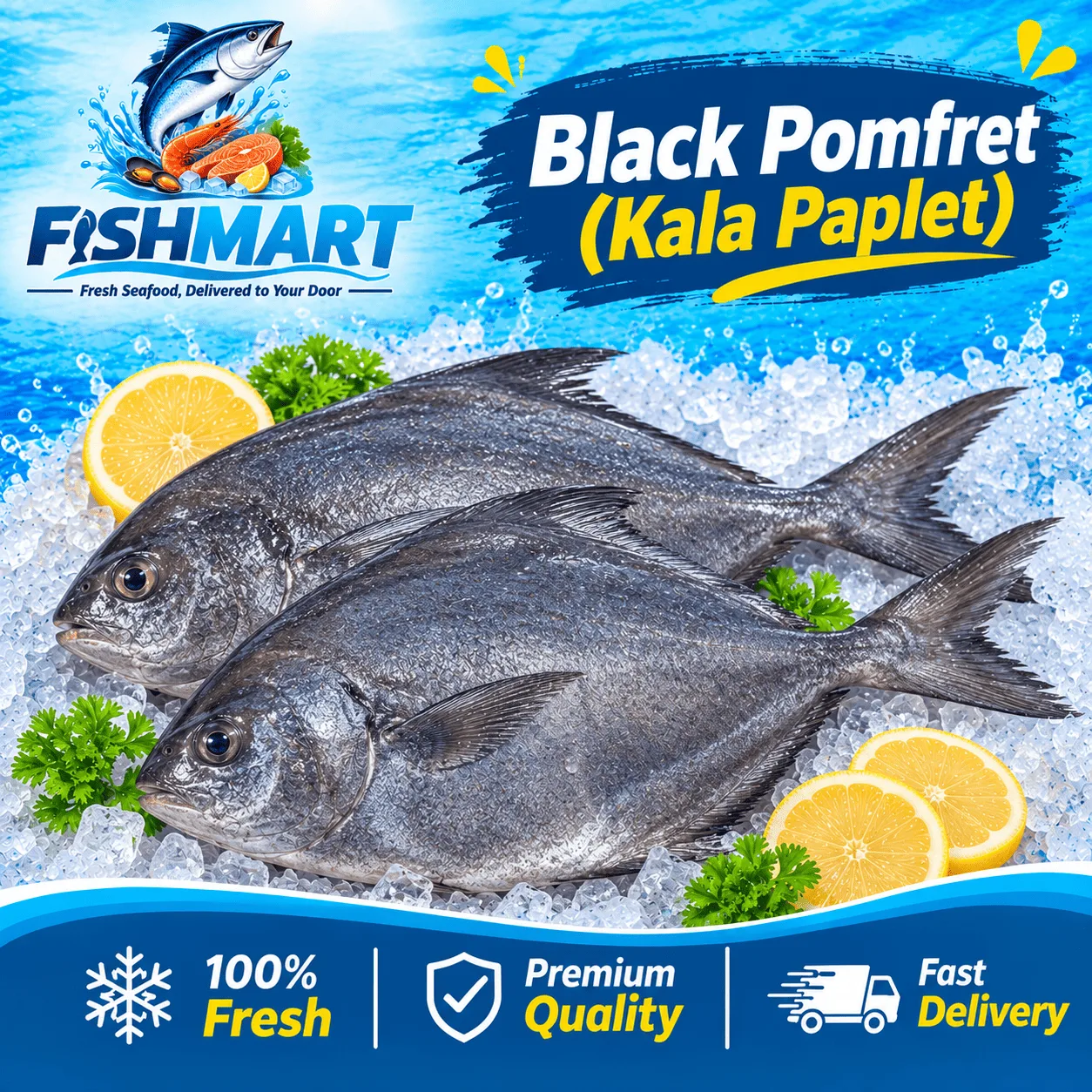
Black Pomfret (Kala Paplet)
Best for: Whole masala tawa fry, Charcoal grill, Achari salan, Green masala fish
Rs.2,050.00
/ kg
Same-day or next-day delivery in Karachi
Otolithes ruber · Marine fish – whole / slices / boneless
Price per kg. Final weight can vary slightly with cleaning and cutting.
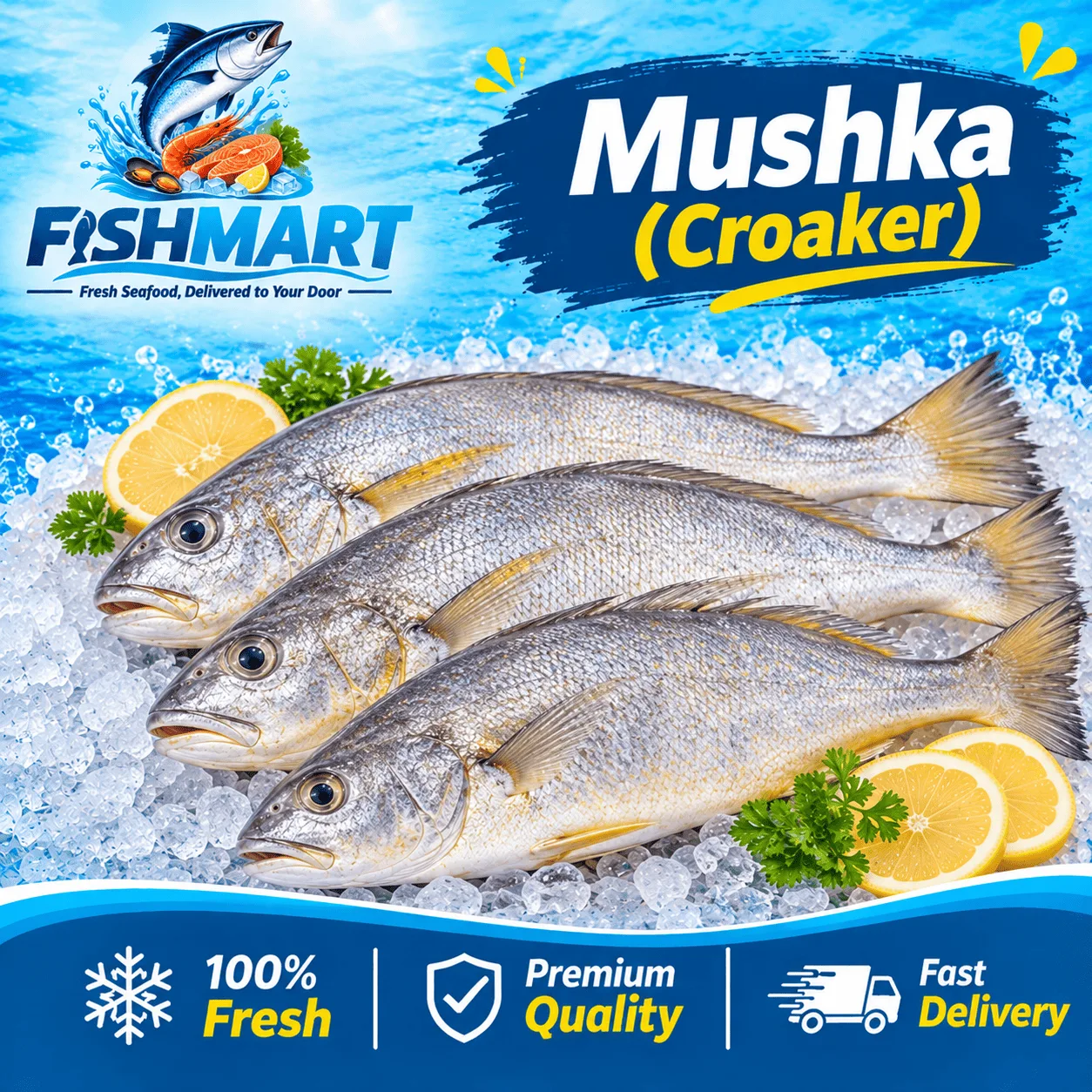
Mushka (tigertooth croaker) is a soft, mild white-fleshed sea fish that suits Lahori fried fish, family salan and masala tawa fry. Available whole, sliced or boneless when in stock.
Mushka is the Karachi name for the tigertooth croaker, Otolithes ruber, a member of the croaker and drum family (Sciaenidae). It is a long, silvery fish with a faint golden or bronze sheen along the back and a pair of sharp, fang-like teeth at the front of the upper jaw, which is where the "tigertooth" name comes from. Croakers get their family name from the drumming sound they make with their swim bladder. In Pakistani homes Mushka is an everyday family fish: it is mild enough for children, takes spice well, and works in the batter-fried and curry dishes most households cook week to week. It sits in our /product-categories/fresh-sea-fish range alongside firmer fish such as Red Snapper (Heera).
Mushka has soft, moist white flesh with a gentle, slightly sweet sea flavour and very little "fishy" strength. The flakes are fine and tender, which makes the fish pleasant to eat but also means it can break apart if it is stirred hard or overcooked. The bone structure is simple – a central backbone with ribs and some fine pin bones near the belly – so slices are easy to eat for most families. If you are used to the many small Y-bones of Rohu, Mushka will feel much easier on the plate.
Choose the cut that suits your dish:
Mushka shines when it is protected by a coating or cooked gently in a sauce. Lahori fried fish with gram flour (besan), ajwain and red chilli is a natural match, as is a light tomato and onion salan where the pieces are added near the end and simmered without vigorous stirring. Masala tawa fry works well with thick slices and a firm, dry marinade. For a lighter meal, bake fillets with lemon, garlic and green chilli, or steam them with ginger. Avoid long, hard boiling in karahi – a firmer fish suits that style better.
Keep Mushka in the fridge at 0–4 °C and cook it within 1–2 days. For longer storage, freeze it at -18 °C in airtight, portion-sized bags. Thaw frozen fish in the fridge, never on the kitchen counter, and do not refreeze raw fish that has been thawed. Because the flesh is soft, pat it dry gently and handle slices with a flat spatula. Use a separate chopping board for raw seafood and wash hands and knives with hot soapy water afterwards. Stock varies with the catch, so check the product page or ask FishMart about today's availability and sizes.
Refrigerate at 0–4 °C and cook within 1–2 days. Freeze at -18 °C in airtight portions; thaw in the fridge overnight and never refreeze thawed raw fish.
Rinse briefly in cold water, pat dry gently and handle slices with a flat spatula because the flesh is soft. Use a separate board for raw seafood and keep the fish on ice or chilled until cooking.
As a rough guide, about 1 kg of Mushka slices makes a salan or fried fish meal for a family of 4 with rice or roti; allow a little more if fish is the only main dish, and less when it is served alongside other dishes. Boneless cuts go further per kilo than whole fish.
Like other white fish, Mushka is a good source of protein and is generally low in fat.
No. Mushka has a straightforward backbone with ribs and a few fine pin bones near the belly. It is much easier to eat than river fish such as Rohu. For children, choose Boneless Fillet or Boneless Fingers.
Boneless Biscuits or Boneless Fingers give the classic bite-sized Lahori fry pieces. Thick slices also work if your family prefers fish on the bone.
Mushka has soft flesh. Use thicker slices, add the fish once the masala is fully cooked, simmer gently and shake the pan rather than stirring with a spoon.
Look for bright, clear eyes, red or pink gills, shiny silver skin with a light golden sheen, and a clean sea smell. The flesh should spring back when pressed lightly.
No. Mushka is a croaker (Otolithes ruber) with soft, mild flesh. Heera is a red snapper and Surmai is narrow-barred Spanish mackerel; both are firmer fish.
Same-day or next-day delivery in Karachi
No reviews yet. Reviews are shared by verified buyers after delivery.
Fresh Sea Fish
Best for: Whole masala tawa fry, Charcoal grill, Achari salan, Green masala fish
Fresh Sea Fish
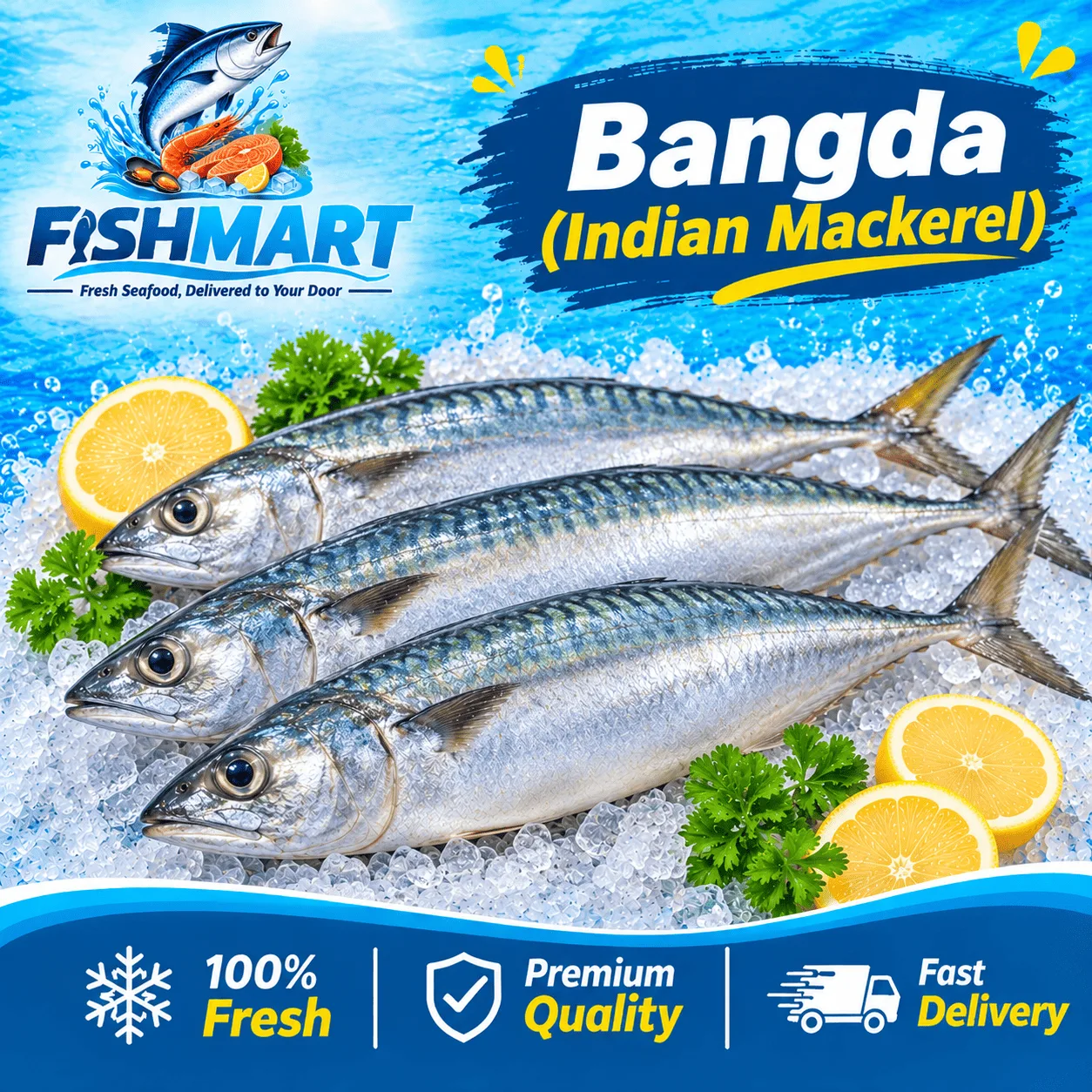
Best for: Masala tawa fry, Bangda salan, Grill / BBQ, Achari fry
Fresh Sea Fish
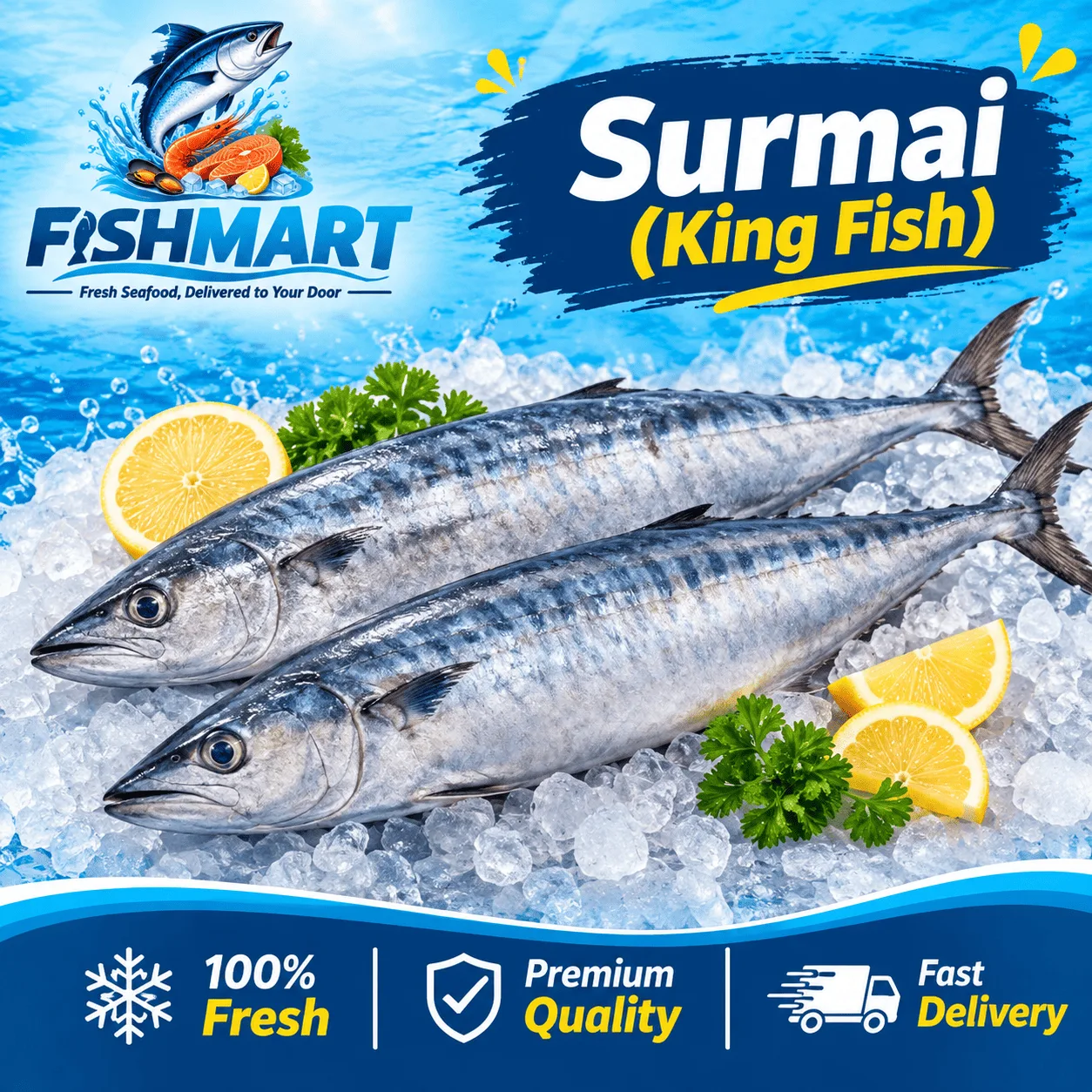
Best for: Masala tawa fry, Fish karahi, Salan, BBQ and tikka
Fresh Sea Fish
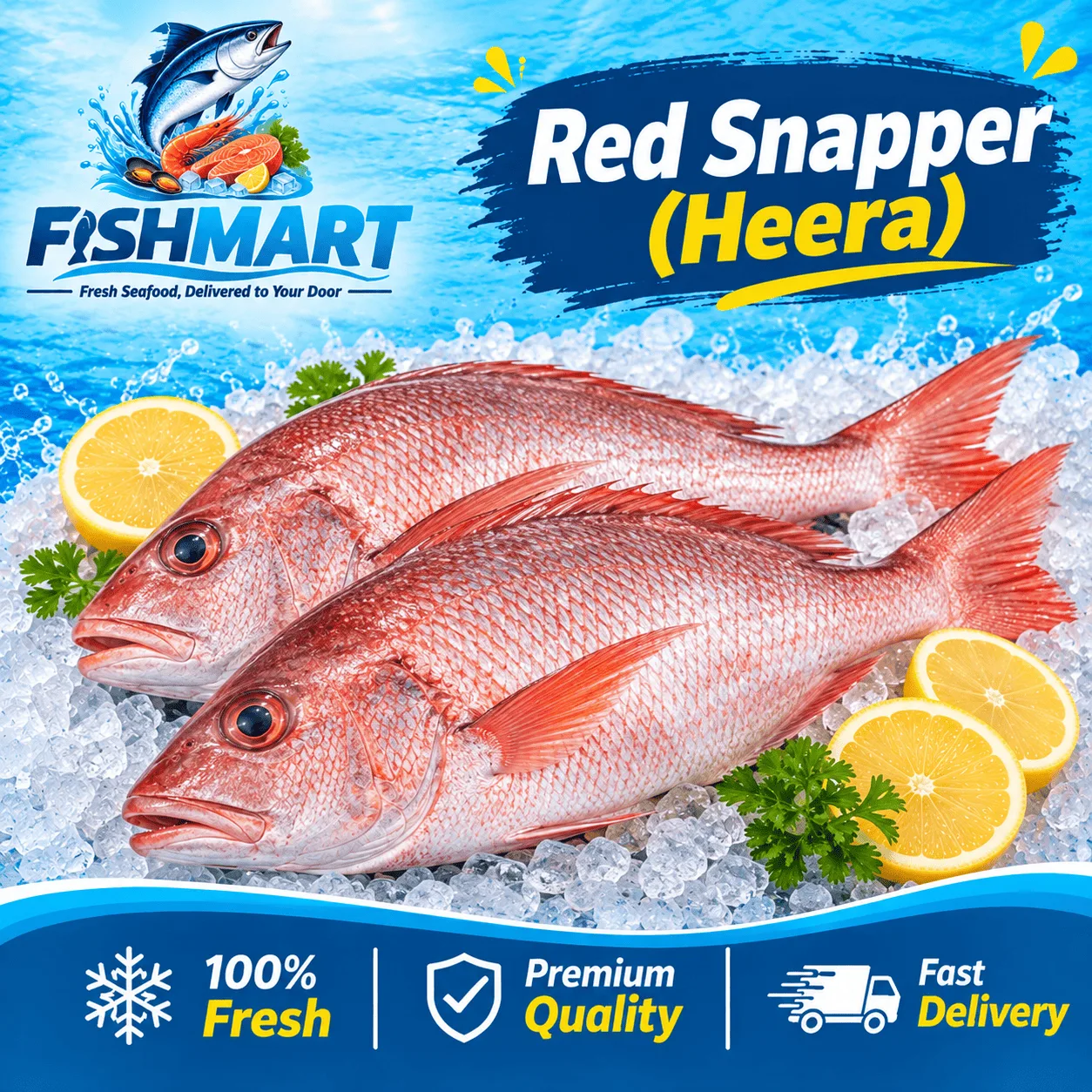
Best for: Whole fried or baked fish, Fish karahi, White karahi, Tawa fry
Fresh Sea Fish
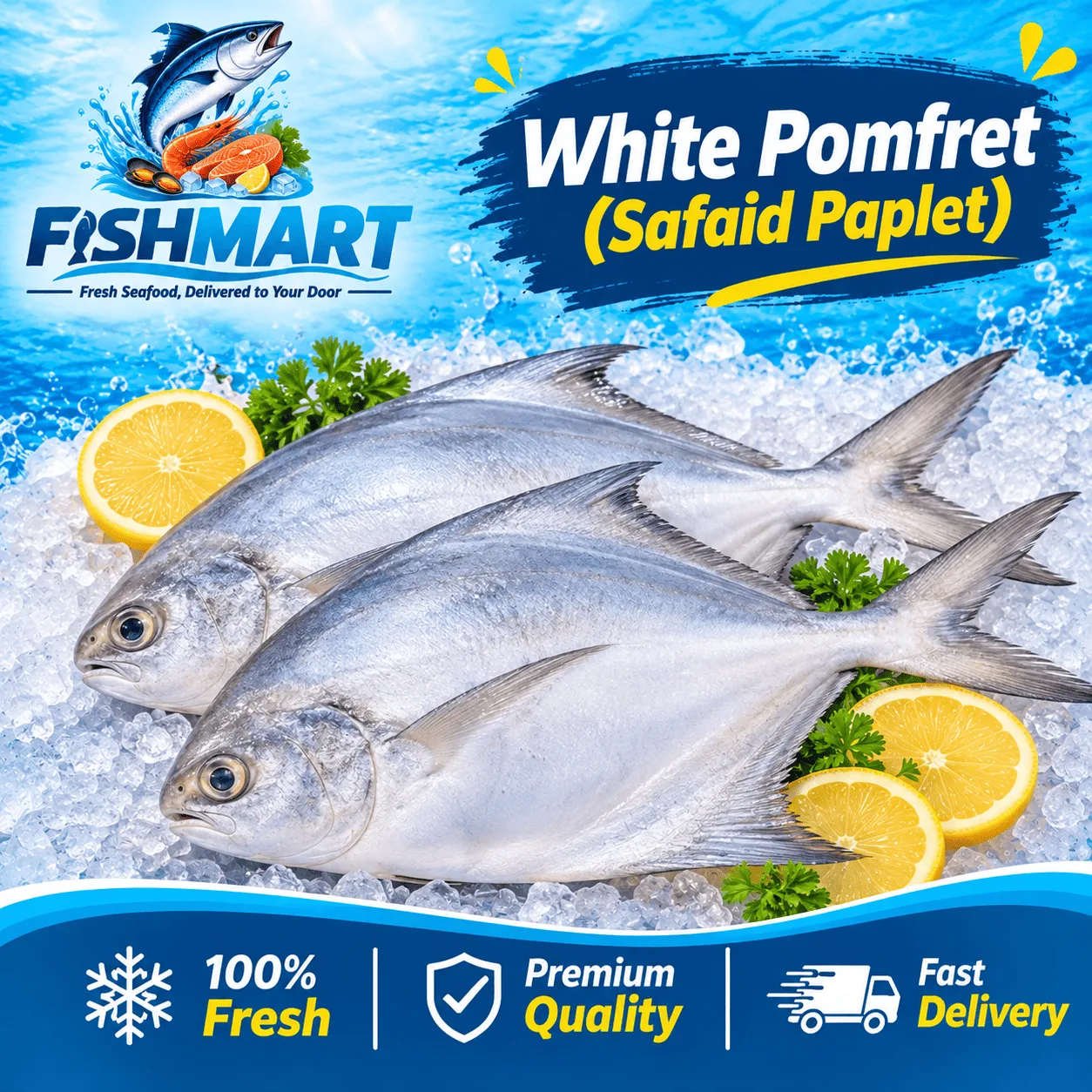
Best for: Whole masala fry, Green masala (hari chutney) fry, Steamed fish, Baked in foil
Fresh Sea Fish
Best for: Masala tawa fry, BBQ fish tikka, Fried fish fingers, Fish karahi
Fresh Sea Fish
Best for: Fish karahi, White karahi, Grill / BBQ tikka, Tawa fry steaks