Red Snapper (Heera) Buying Guide: Freshness, Size and Cuts
Red Snapper, or Heera, is one of the most versatile fish you can buy in Pakistan. It is firm enough for karahi, handsome enough to serve whole at a dinner, and mild enough to please children. Because it is sold whole, sliced and boneless, choosing well is about both freshness and matching the right cut to the right dish. This guide covers both.
What Is Heera?
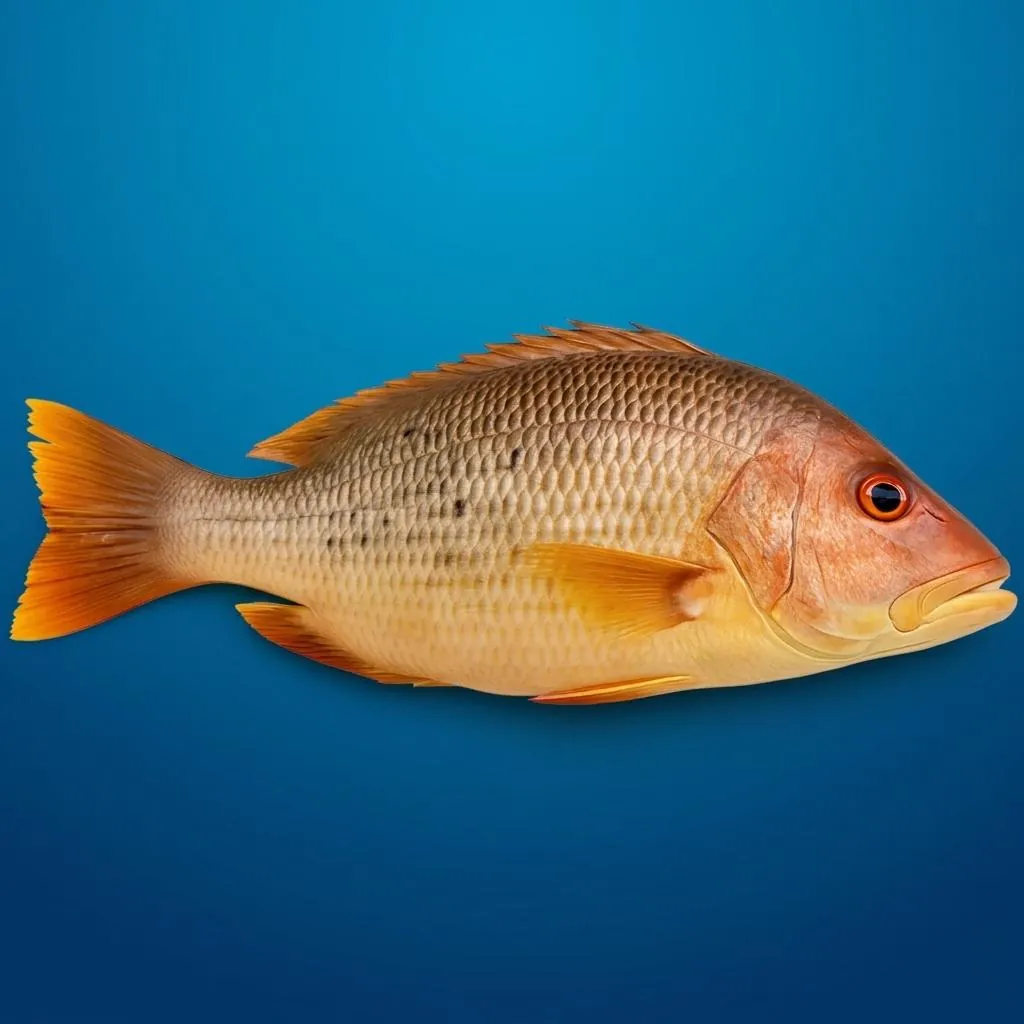
Heera is the local name for red snappers of the genus Lutjanus. More than one species is sold under this name, so you may notice some fish are deeper red while others are pinkish or have a silvery belly. They share a recognisable snapper shape: a solid, slightly deep body, a large mouth, a sloping head and a single dorsal fin with sharp spines at the front. All have firm, white, mild-sweet flesh.
Heera is sometimes confused with other reddish fish on the counter, such as emperors or breams. If you specifically want snapper, buy from the Red Snapper (Heera) product page or ask FishMart which fish is in stock.
How to Check Freshness
Colour and skin
Fresh Heera has bright, glossy red to pink skin with a natural sheen. As snapper ages, the red fades towards a dull orange or brownish tone and the skin dries out. Scales should be firmly attached; patches of loose or missing scales can suggest rough handling.
Eyes
Look for clear, bright, slightly bulging eyes. Cloudy, sunken or bloodshot-looking eyes mean the fish is less fresh. Note that snapper eyes can be naturally reddish around the rim – what matters is that the centre is clear.
Gills
Lift the gill cover carefully – it has a sharp edge. Gills should be bright red and moist. Dark brown, grey or slimy gills are a clear warning.
Smell
Fresh snapper smells mild and clean, like the sea. Any sour, stale or ammonia smell, particularly from the belly or gills, means you should pass.
Firmness
Snapper flesh is naturally firm. Press the thickest part of the body with your finger: it should bounce back straight away. If the dent stays or the fish feels soft and floppy, it is past its best.
Slices and boneless cuts
For slices and fillets, look for translucent, white to very pale pink flesh that looks moist and tight. Avoid pieces that look dry, yellowish or are sitting in cloudy liquid. The flakes should be together, with no gaping or splitting between them. Any smell should be faint and clean.
Choosing the Right Size
- Small to medium Heera are best for whole frying in a home pan or tawa. They cook evenly and are easy to turn.
- Medium to large fish are ideal for oven baking, grilling whole, or slicing into thick steaks for karahi.
- Large fish give generous boneless fillets and biscuits with fewer trimmings, and a big head that makes a rich soup.
When cooking a whole fish for a family, two medium fish are often easier to handle than one very large one, which may not fit your pan or oven tray.
Which Cut for Which Dish
Red Snapper is offered as Whole (uncleaned), Whole and Gutted, Headless and Gutted, Slices, Boneless Fillet, Boneless Biscuits and Boneless Fingers.
| Dish | Best cut | Why it works |
|---|---|---|
| Whole masala fried Heera | Whole and Gutted | Crisp skin, juicy flesh on the bone, great presentation |
| Baked or grilled whole fish | Whole and Gutted | Bone and skin keep the flesh moist under dry heat |
| Fish karahi or white karahi | Slices or Boneless Biscuits | Firm pieces stay whole in the masala |
| Salan | Slices | Bone adds depth to the gravy |
| Fish tikka or Lahori fried fish | Boneless Biscuits | Even cubes that cook quickly |
| Pan-seared fish, fish and chips | Boneless Fillet | Flat pieces for crisp skin or batter |
| Kids' fish fingers | Boneless Fingers | No bones, quick to crumb and fry |
| Fish soup or yakhni | Whole (uncleaned) or Headless and Gutted plus frame | Heads and bones give flavour |
Seasonality
Snapper is landed along Pakistan's coast through much of the year, but supply, size and species mix change with weather, sea conditions and fishing restrictions. Winter is the most popular time for fish dishes in many homes, so demand may be higher. The simplest approach is to ask for today's stock when ordering.
Tips for Ordering Online
- Pick the cut first. Decide whether you need a whole fish, slices or a boneless cut based on the table above.
- Add the dish in your note. "Whole fry for two" or "karahi for six" helps with sizing.
- Remember the yield. Whole snapper has a large head and solid frame, so the edible portion is noticeably less than the whole weight. If you need a set amount of meat, choose slices or boneless.
- Keep the frame. If you order whole and want soup, ask whether the head and bones can be packed with your cleaned fish.
- Contact FishMart if you have questions about availability or size before an event.
Mistakes to Avoid
- Frying a very large fish whole on a small tawa. The outside burns before the centre cooks. Bake large fish instead.
- Not scoring the fish. Thick snapper flesh needs deep score marks for even cooking.
- Handling carelessly. The dorsal spines and gill covers are sharp – hold the fish by the body, not the fins.
- Choosing fillet for salan. Boneless fillet works, but slices on the bone give a fuller-flavoured gravy.
Heera Versus Other Firm White Fish
If Heera is not available, Hamour (Gissar) is another firm, mild white fish with larger flakes. For soft fried fish, consider Mushka (Croaker). Browse the full fresh sea fish category to compare.
Choose with Confidence
Bright red skin, clear eyes, red gills, a clean smell and firm flesh are what to look for in Heera. Choose small to medium fish for whole frying, larger fish for baking and slicing, and boneless cuts for tikka and fish fingers. Head to the Red Snapper (Heera) page to pick your cut, and see our Red Snapper recipes for dinner ideas.
Frequently asked questions
Why does the colour of Heera vary between fish?
Several red snapper species are sold as Heera, and colour also changes with size and freshness. Bright, glossy red-pink skin is a good sign; dull, faded skin suggests age.
Is a whole snapper good value compared to fillet?
A whole fish includes head, bones and fins, so you get less edible meat per kilo, but you can use the head and frame for soup. Fillets give you ready-to-cook meat with no waste.
Are snapper spines dangerous?
They are sharp and can cause painful cuts. Hold whole snapper by the body, or trim the spines with kitchen scissors before cleaning.
Can I mix snapper with other fish in one karahi?
Yes, as long as the pieces are similar in size and firmness. Firm fish such as Hamour or Surmai cook at a similar pace to Heera.