Tilapia at Home: Cleaning, Storage, Nutrition and Species Facts
Tilapia is a forgiving fish to cook, but like all seafood it needs careful handling between the market and the pan. This guide walks through cleaning a whole Tilapia at home, keeping it cold, freezing and thawing it safely, and dealing with leftovers. It also explains what Tilapia actually is, how it differs from other fish you will see in Pakistani markets, and what can honestly be said about its nutrition.
Know Your Fish: What Is Tilapia?
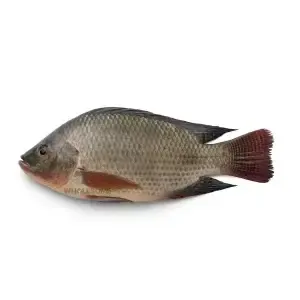
Tilapia is the common name for several freshwater fish in the cichlid family. The fish most often farmed and sold in Pakistan is Nile tilapia, Oreochromis niloticus, along with related Oreochromis species and hybrids. It originally comes from Africa and the Middle East and is now farmed in many warm countries because it grows well in ponds. In some places it is marketed as "St. Peter's fish", a name linked to the Sea of Galilee region.
How to recognise it
- A deep, flat-sided body, wider than most river fish of the same length.
- A long dorsal fin with sharp spines at the front and softer rays at the back.
- Grey to silvery skin, often with faint vertical bars; the tail may show fine darker stripes.
- A single nostril on each side of the head, a feature of the cichlid family.
How it differs from look-alikes
Rohu is a carp, with a longer, rounder body, larger scales and many fine intramuscular bones. It has a sweeter, more distinctive river-fish flavour. Tilapia's bone structure is simpler and its taste milder. Compare them on our Rohu (Rahu) page.
Pomfrets are also flat and deep-bodied, but they are marine fish with tiny scales and no spiny dorsal fin. Tilapia's spines and freshwater origin set it apart.
Mushka (croaker) is a sea fish with softer flesh. Tilapia holds its shape better when fried whole.
Cleaning a Whole Tilapia at Home
If you buy Tilapia whole and uncleaned, set up a dedicated board for raw fish, a sharp knife, kitchen scissors and a bowl of cold water.
- Trim the spines. Use scissors to cut off the dorsal fin spines and the sharp fins near the belly. They can easily cut fingers.
- Scale. Hold the tail and scrape from tail to head with the back of a knife or a scaler. Doing this inside a large plastic bag or under running water stops scales flying around the kitchen.
- Gut. Make a shallow cut from the vent up to the gills and remove the insides.
- Remove the belly lining. Tilapia has a dark, almost black membrane lining the belly cavity. Scrape it out completely with a spoon or the knife tip. Left in, it can give a bitter or earthy taste.
- Remove the gills if cooking head-on, and rinse out any blood along the spine.
- Rinse and freshen. Rinse in cold water, rub with salt and lemon juice or vinegar, wait a few minutes, rinse again and pat dry.
Afterwards, wash the board, knife and sink with hot soapy water, and wash your hands well. Keep raw fish away from salad and cooked food.
Refrigerator Storage
Raw Tilapia should go into the fridge as soon as it arrives. Keep it at 0–4 °C and cook it within 1–2 days. A few habits help:
- Store it on the lowest shelf in a covered container so juices cannot drip onto other food.
- For extra chill, set the container on a tray of ice and drain the meltwater daily.
- Cleaned and dried fish keeps better than fish left sitting in water or blood.
Freezing Tilapia
If you will not cook it within a day or two, freeze it while it is still fresh.
- Clean, rinse and pat the fish completely dry.
- Divide into meal-sized portions – one or two whole fish, or a family meal's worth of slices.
- Wrap tightly in cling film, then place in a freezer bag and press out the air. Air contact causes freezer burn, which leaves dry, white patches.
- Label with the date and freeze at -18 °C or colder.
Lean fish such as Tilapia freezes reasonably well, but texture and flavour are best when it is used within a few months. Freezing keeps fish safe but does not improve quality, so freeze only fish that is fresh to begin with.
Thawing Safely
Thaw frozen Tilapia in the fridge, still wrapped, on a plate or tray. Slices usually thaw overnight; whole fish can take longer. If you are short of time, seal the fish in a leak-proof bag and submerge it in cold water, changing the water every half hour, and cook it immediately afterwards. Do not thaw fish on the kitchen counter, in hot water or in direct sun – the outside warms up while the inside is still frozen. Once raw fish has thawed, do not refreeze it; cook it, and you can then freeze the cooked dish if needed.
Marinating Safely
- Always marinate in the fridge, in a covered glass or steel bowl.
- Keep acidic marinades (lemon, vinegar, yoghurt, tamarind) to around half an hour; Tilapia's lean flesh turns soft if left longer.
- Do not reuse marinade that has touched raw fish unless you boil it first.
- Use a clean brush or spoon for basting during grilling, not the one used for the raw fish.
Leftovers
Cool cooked Tilapia quickly and refrigerate within two hours. Eat leftovers within a day or two, and reheat until piping hot throughout. Leftover fried fish is better reheated in a hot oven, air fryer or dry pan than in a microwave, which makes the crust soggy. Leftover salan reheats well on a gentle flame. Flaked leftover fish can be turned into fish cutlets, or mixed with potato, green chilli and coriander for a quick shami-style patty.
Nutrition: What Can Fairly Be Said
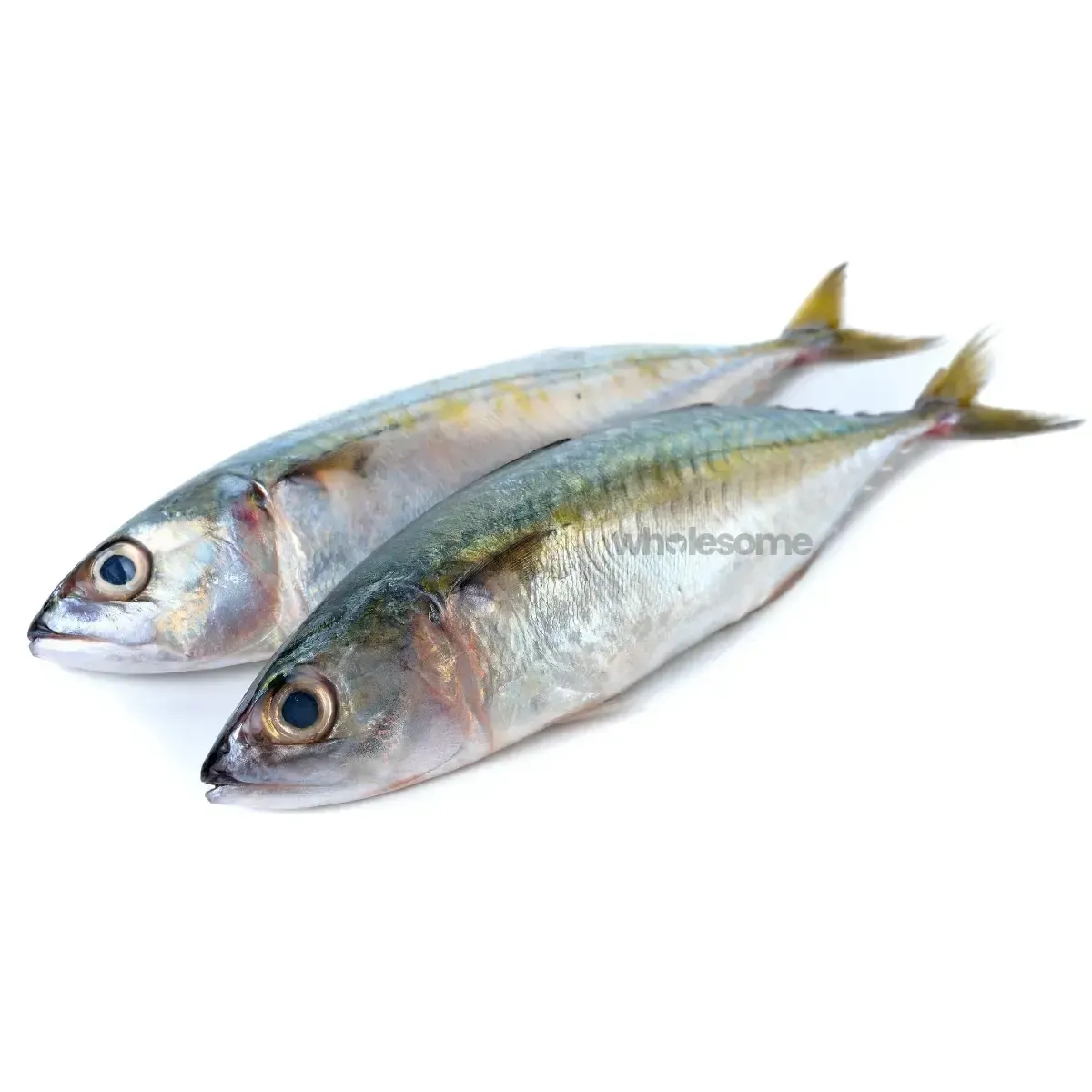
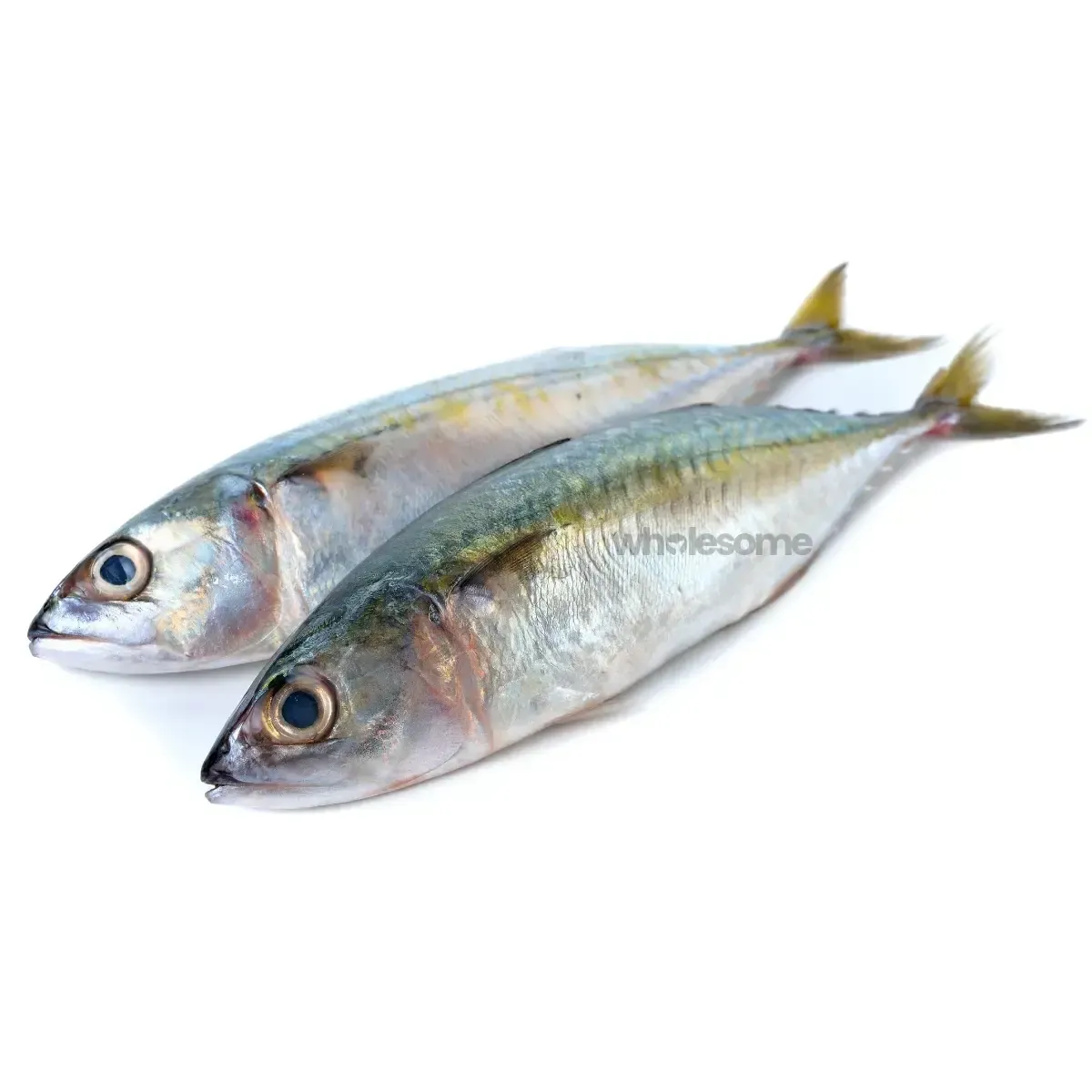
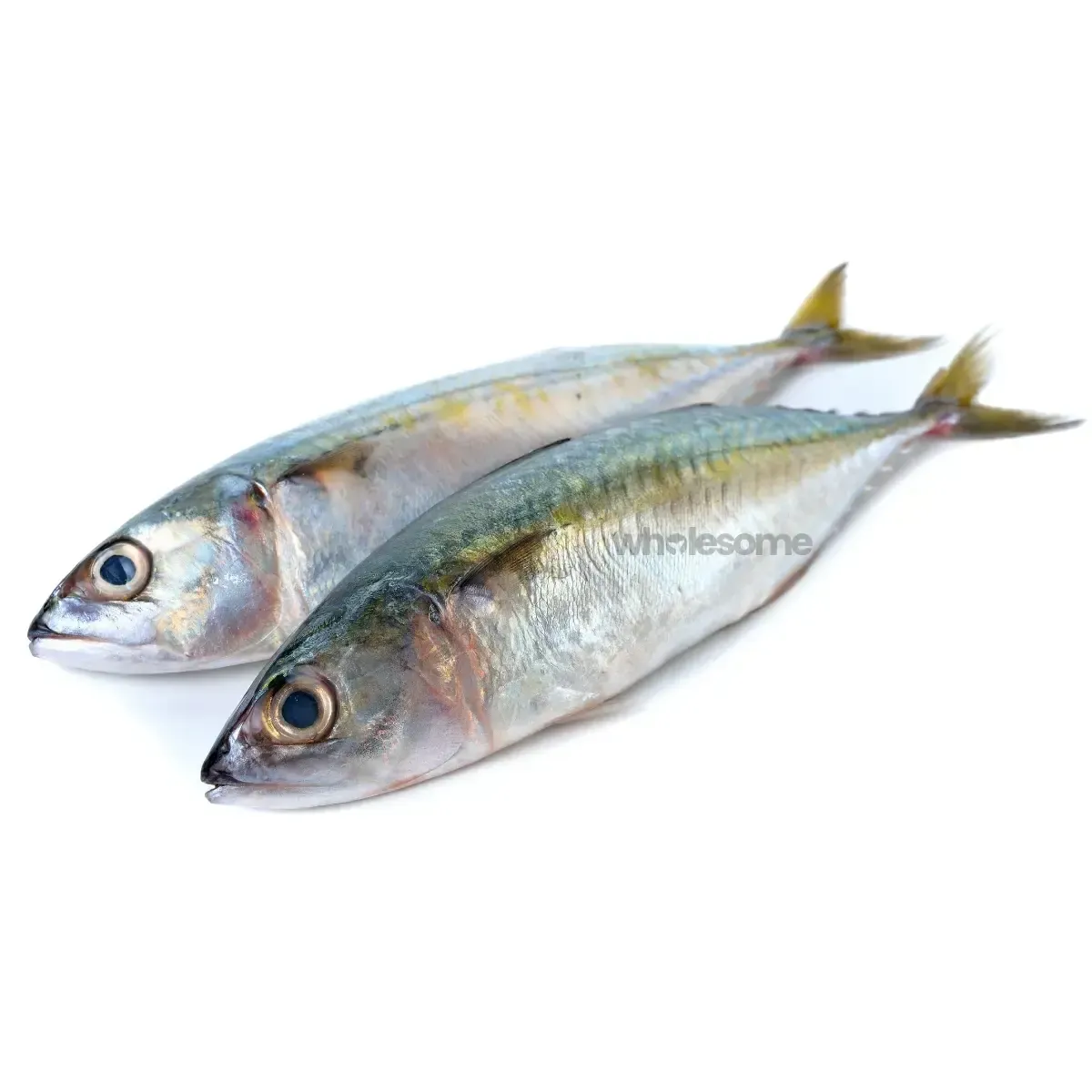
Like other fish, Tilapia is a good source of protein. It is a lean white fish that is low in fat, which is one reason it suits light cooking such as grilling, baking and steaming. It is not an oily fish, so if you specifically want oily fish in your diet, species such as Bangda (Indian Mackerel) are the ones that provide omega-3 fatty acids. How healthy a Tilapia meal is depends a great deal on how it is cooked: a grilled or steamed fish with vegetables is a lighter meal than a deep-fried one. If you have specific dietary needs, follow your doctor's advice.
In Short
Clean it well, scrape out that dark belly lining, keep it cold and cook it within a day or two – or freeze it promptly and thaw it in the fridge. Handled this way, Tilapia stays mild, firm and clean-tasting. For ideas on what to cook next, see our Tilapia recipes or browse the full freshwater fish range.
Frequently asked questions
What is the black layer inside a Tilapia's belly?
It is the dark lining of the body cavity, which is natural in Tilapia. It is harmless, but it can taste bitter or earthy, so most cooks scrape it out during cleaning.
How long can raw Tilapia stay in the fridge?
Keep it at 0–4 °C and cook it within 1–2 days. For longer storage, freeze it at -18 °C while it is still fresh.
Can I refreeze Tilapia after thawing?
Do not refreeze raw fish once it has thawed. Cook it first; the cooked dish can then be cooled and frozen.
Is Tilapia an oily fish?
No. Tilapia is a lean white fish that is low in fat. If you want oily fish, choose species such as Indian mackerel (Bangda).