Tiger Prawns at Home: Cleaning, Storage, Nutrition and Species Facts
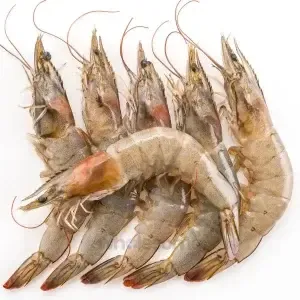
Firm, sweet tiger prawns deserve careful handling from the moment they reach your kitchen. Prawns are more delicate than most fish – they lose quality quickly if left warm – so a few simple habits make a real difference. This guide covers cleaning tiger prawns at home, keeping them in the fridge and freezer, thawing and marinating safely, handling leftovers, what can be said about their nutrition, and how to tell tiger prawns from their look-alikes.
Cleaning Tiger Prawns at Home
If you ordered whole or headless shell-on prawns, cleaning takes only a few minutes per batch. Work on a separate board used only for raw seafood and keep the prawns you are not working on in the fridge or in a bowl set over ice.
- Remove the head: hold the body in one hand and twist the head off with the other. Keep the heads in a bowl if you plan to make stock.
- Peel the shell: open the shell from the underside where the legs are and peel it away in sections. Leave the tail segment on if you want a neater look for frying or skewers.
- Devein: make a shallow cut along the back with a small knife and lift out the dark vein. For shell-on grilling, snip along the back of the shell with scissors and devein through the cut.
- Rinse and dry: rinse briefly under cold running water and pat dry with kitchen paper.
Wash the board, knife and your hands with hot soapy water afterwards. If you prefer to skip this step, the Peeled and Deveined cut arrives ready to cook.
Fridge Storage
Put prawns in the fridge at 0–4 °C as soon as they arrive. Keep them in a covered container on the lowest shelf so that no drips reach cooked or ready-to-eat food. For the best quality, set the container on a tray of ice and pour off meltwater as it collects so the prawns are not sitting in water. Cook fresh prawns within 1–2 days.
Freezing Tiger Prawns
If you will not cook within that window, freeze them promptly at -18 °C rather than waiting until the last day.
- Portion first: pack the amount you would cook for one meal in each bag or box, so you only ever thaw what you need.
- Lay flat: spread prawns in a single layer in a freezer bag and press out the air. Flat packs freeze faster and thaw more evenly.
- Protect from freezer burn: some cooks add a little cold water to the box to form an ice glaze around the prawns, which helps stop dry white patches.
- Label: write the date and the cut on each pack. Frozen prawns stay safe at -18 °C, but texture and flavour are best when they are used within a few months.
Thawing Safely
Move frozen prawns from the freezer to the fridge and let them thaw slowly, ideally overnight, in a container that catches the drips. Do not thaw them on the kitchen counter, where the outside warms up long before the inside is defrosted. Once thawed, cook within a day and do not refreeze raw prawns – refreezing damages the texture and is not safe practice. If you thaw more than you need, cook it all and refrigerate the cooked leftovers instead.
Marinating Without Risk
- Always marinate in the fridge, in a covered glass, steel or food-safe plastic bowl.
- Keep acidic marinades short. Lemon juice, vinegar and even yogurt begin to change the surface of prawns; around 15–30 minutes is plenty for tiger prawns.
- Never reuse a marinade that has touched raw prawns as a sauce or dip unless you boil it first. It is simpler to set aside a portion before adding the prawns.
- Use a clean plate for cooked prawns – not the one that held them raw.
Cooking Until Safe and Tender
Prawns are cooked when the flesh is opaque all the way through and the shell has turned bright orange-red. Cut one open at the thickest part if you are unsure. Firm tiger prawns are forgiving, but cooking them far beyond this point makes them rubbery rather than safer.
Leftovers
Cool cooked prawn dishes quickly and refrigerate within two hours of cooking. Eat leftovers within a day and reheat them only once, until piping hot throughout. Prawn karahi reheats well over medium heat with a splash of water; butter garlic prawns are best reheated briefly in a pan, or eaten cold in a salad or sandwich the next day.
Nutrition: What Can Be Said
Prawns are a good source of protein and are naturally low in fat, which makes them a useful part of a varied diet, especially when grilled, steamed or cooked with little oil. How healthy a prawn dish is depends largely on the cooking: a tandoori skewer and a butter-rich sauce are very different meals.
Shellfish is one of the common food allergens. If anyone at your table has a shellfish allergy, keep prawns, their stock and anything cooked in the same oil away from them. If you have specific dietary advice from a doctor, follow it.
Know Your Prawn: Species and Look-Alikes
What tiger prawns are
Tiger prawns are marine penaeid prawns of the genus Penaeus. The giant tiger prawn (Penaeus monodon) has dark grey to blue-black bands, while the green tiger prawn (Penaeus semisulcatus) is paler with greenish-brown stripes. In Urdu, prawns and shrimp are generally called jhinga, and in Karachi markets these striped ones are often called tiger jhinga.
Why they turn orange-red
The shell contains a natural red-orange pigment that is bound up with proteins in the raw prawn, hiding its colour. Heat breaks that bond, releasing the colour. This is why a grey-blue tiger prawn becomes so vivid in the pan – and why the stripes turn a deeper red.
How they differ from look-alikes
- Size-graded prawns: medium, large and jumbo describe size, not species, and many lack the bold banding. If you want large prawns for everyday cooking, see Large Prawns.
- White or banana-type prawns: pale, plain shells with no distinct stripes and a softer bite.
- Freshwater giant prawns: these belong to a different group and are easy to recognise by their very long claws, often bluish; tiger prawns have no large claws.
Final Word
Keep tiger prawns cold, use them within 1–2 days or freeze them flat, thaw in the fridge and cook just until opaque. With those habits, they will taste as good on your plate as they look on the ice. Order your preferred cut from the Tiger Prawns page, explore the full Prawns & Shrimp range, and put your prawns to work with our tiger prawn recipes.
Frequently asked questions
Can I store tiger prawns with the heads on?
Yes, but heads are where spoilage tends to start first, so whole prawns are best cooked promptly. If you will keep them for more than a day, remove the heads, refrigerate or freeze the bodies, and freeze the heads separately for stock.
Why do frozen prawns sometimes taste watery?
Slow freezing, freezer burn or thawing and refreezing all damage the texture. Freeze prawns flat and quickly, thaw them in the fridge and pat them dry before cooking.
Is it safe to eat the prawn shell?
Shells are not harmful once cooked, and some people enjoy crisp fried shells, but they are hard to digest in quantity. Most people peel them at the table.
How can I tell a tiger prawn from a regular large prawn?
Look for clear dark bands across each shell segment and a firmer body. Plain, pale prawns without stripes are usually sold by size grade rather than as tiger prawns.