Shell-On vs Peeled Large Prawns: Cleaning Yield and Which Cut to Buy
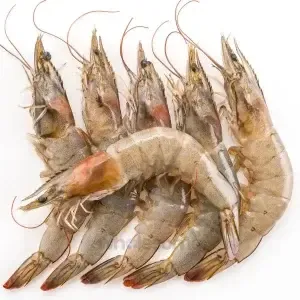
With large prawns, the cut you choose matters almost as much as the prawns themselves. A kilo of whole prawns and a kilo of peeled prawns are very different amounts of food, and they behave differently in the pan and in the freezer. This guide walks through the three cuts offered for Large Prawns, what "cleaning yield" means in practice, and how to pick the right option for masala, butter garlic or tempura.
What "Cleaning Yield" Means
Yield is simply how much edible meat you are left with after cleaning. For a prawn, the inedible parts are the head, the shell, the legs and, usually, the vein. The head on a penaeid prawn is surprisingly heavy – it holds the organs and a good deal of liquid – so removing it alone takes away a large share of the weight. Peeling the shell and tail removes more.
Exact yields vary from batch to batch, depending on the prawns' size, the season and how full the heads are, so it is wise not to rely on a fixed number. The practical rule is easy to remember:
- Whole (shell-on) gives the least meat per kilo.
- Headless (shell-on) gives noticeably more.
- Peeled and Deveined is close to all meat – what you buy is what you cook.
So when comparing cuts, compare the amount of cooked prawn you will put on the table, not just the weight on the label.
The Three Cuts Compared
| Cut | Best for | Pros | Things to know |
|---|---|---|---|
| Whole (shell-on) | Rich bhuna masala, prawn stock, traditional home cooking | Deepest flavour; heads add body to gravies; shells make stock | Lowest yield; most cleaning; heads are the first part to deteriorate |
| Headless (shell-on) | Butter garlic prawns with tails, tawa fry, freezing for later | Shells protect meat in the freezer; peel just before cooking; tails stay for presentation | You still peel and devein at home |
| Peeled and Deveined | Tempura, chilli prawns, quick butter garlic, entertaining | Ready to cook; easiest to portion; no waste to deal with | More exposed in the freezer; use sooner and wrap well |
Choosing a Cut by Dish
Prawn masala
If you love a deep, almost nutty prawn flavour in a thick onion-tomato masala, whole prawns are worth the extra effort. Many home cooks peel the bodies, then fry the heads in the oil at the start to flavour the masala before removing them. Headless shell-on is a good compromise if you don't want to handle heads.
Butter garlic prawns
Headless shell-on prawns, peeled at home with tails left on, give the classic restaurant look. If time is short, Peeled and Deveined works perfectly – the garlic butter carries most of the flavour.
Tempura and fried starters
Peeled and Deveined saves a lot of work here. You still want to butterfly or score the prawns so they lie flat, but the hard part is done. If you want tails on for dipping, choose headless shell-on and peel all but the last segment.
Chilli prawns
Pak-Chinese chilli prawns cook fast in a hot wok with capsicum, onion and sauces. Peeled and Deveined is the natural choice.
Freshness Checks for Large Prawns
Large prawns make it easier to see quality at a glance. When you receive or inspect them, check:
- Smell: clean and briny. Any ammonia, sourness or "off" sweetness is a reason to stop.
- Heads (whole prawns): firmly attached and not collapsing. A little darkening where the head meets the body can appear as prawns age; extensive black spots or heads falling off point to older stock.
- Shells: glossy and tight against the meat, not slimy, soft or separating.
- Flesh: firm and springy, translucent grey to pale, never mushy or chalky white when raw.
- Peeled prawns: moist and glossy, even in colour, without dried or yellowing edges.
Cleaning at Home: What to Expect
If you choose a shell-on cut, set aside some time. For large prawns, cleaning is straightforward:
- Twist off the head (keep it for stock if you like).
- Peel the shell from the underside, leaving the last segment and tail if you want them for presentation.
- Run a small knife along the back, lift out the dark vein and rinse briefly under cold water.
- Pat dry and keep chilled until cooking.
Our guide to deveining, marinating and avoiding rubbery large prawns covers this in more detail, including how to butterfly.
Ordering Online: What to Specify
- The cut: Whole (shell-on), Headless (shell-on) or Peeled and Deveined.
- How much cooked prawn you need: think in servings, then allow extra weight for shells and heads if you choose a shell-on cut.
- Your dish: telling FishMart you are making tempura for eight or masala for a family of five helps them advise you.
- Freezing plans: if you will freeze part of the order, shell-on is the more forgiving choice.
- Availability: grades and cuts depend on stock; check the product page or ask FishMart what is available when you plan to cook.
Common Mistakes
- Comparing cuts by weight only. Whole and peeled prawns are not the same amount of food.
- Buying whole prawns for a party with no time to clean. Peeling large quantities takes longer than most people expect.
- Leaving heads on in the fridge for days. Heads deteriorate faster than tails; cook whole prawns promptly or remove heads before storing.
- Picking large prawns for the BBQ. They work on a tawa, but over open charcoal the thicker Jumbo Prawns stay juicier.
Making the Call
Choose whole for flavour, headless shell-on for freezing and presentation, and peeled and deveined when time matters more than stock. Whichever you pick, you'll find all three options on the Large Prawns page, and every grade in the Prawns & Shrimp category.
Frequently asked questions
Do whole prawns taste better than peeled?
Many cooks find the heads and shells add depth to gravies and stock. For dishes like tempura or butter garlic, where the sauce or batter leads, peeled prawns taste just as good.
Is it cheaper to buy whole prawns and clean them myself?
It depends on the amount of edible meat you get after cleaning and the value of your time. Compare cuts by how much cleaned prawn you will cook, and check the product page for current options.
Can I use leftover shells and heads?
Yes. Simmer them with onion, garlic and whole spices to make a prawn stock for masala, soup or rice. Use it promptly or freeze it.
Which cut freezes best?
Headless shell-on prawns usually freeze best because the shell protects the meat from drying out.