Red Snapper Care Guide: Cleaning, Storing, Freezing and Facts
Red Snapper is a sturdy, firm fish, which makes it more forgiving in storage than delicate species. But its sharp spines, stiff scales and solid frame need a little know-how when you clean it at home, and good storage habits still make a big difference to flavour. Here is how to clean, store, freeze and thaw Heera safely, plus some background on the fish itself.
What Is a Red Snapper?
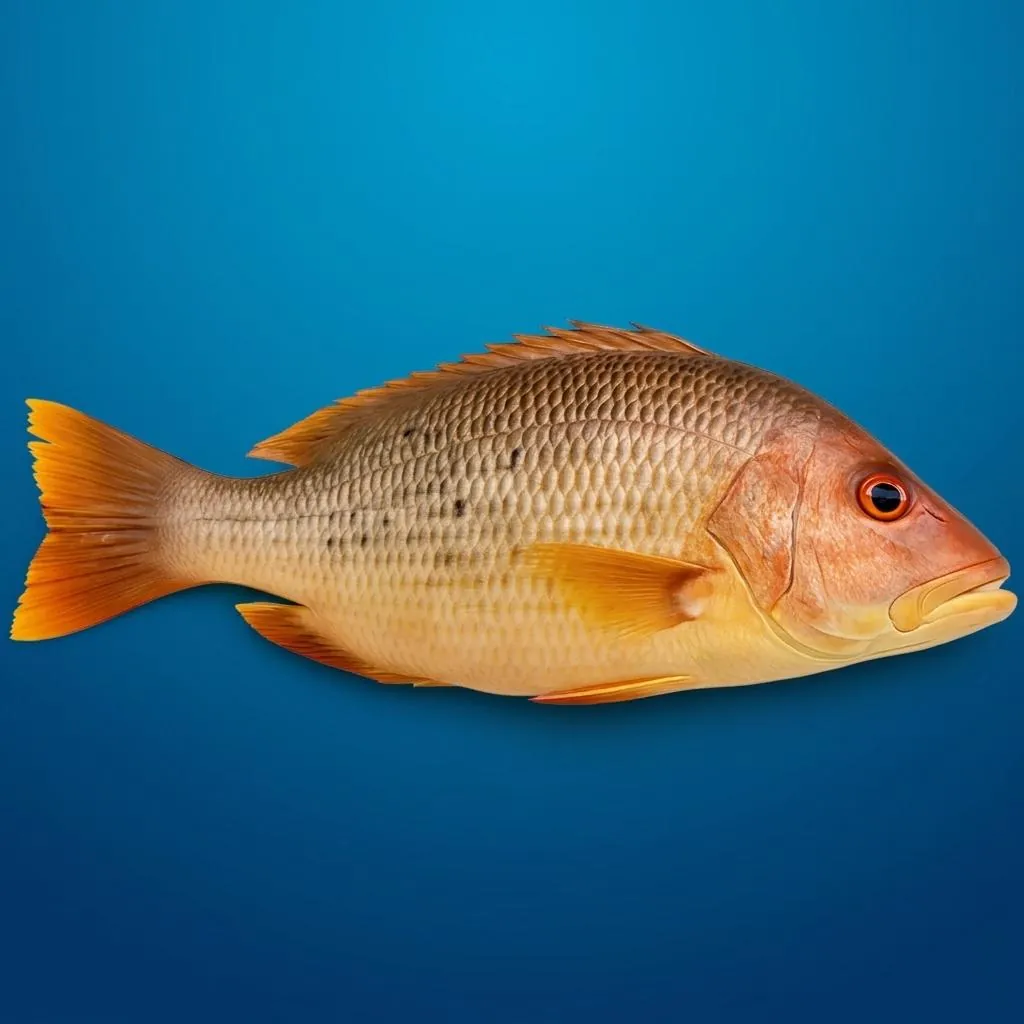
Snappers are members of the family Lutjanidae. The fish sold as Heera in Pakistan are red snappers of the genus Lutjanus, and more than one species is sold under that name. They are found around reefs and rocky coastal areas of the Arabian Sea and wider Indian Ocean.
Typical snapper features include a sturdy, slightly deep body; a large mouth with sharp teeth (the source of the name "snapper"); a single dorsal fin with strong spines at the front; and red, pink or reddish-silver colouring in the red species.
How Heera differs from look-alikes
- Emperors and breams can also be pinkish or reddish and appear on the same counters. They have different head and mouth shapes and their flesh can be softer. If you want snapper specifically, ask FishMart which fish is in stock.
- Hamour (grouper) is a different family. It often has spots or mottled skin, a broader head and larger flakes. Hamour is a good alternative when you want a similar firm white fish.
- Mushka (croaker) is silvery rather than red and much softer in texture.
Cleaning Red Snapper at Home
If you order slices or a boneless cut, a quick rinse and pat dry is all you need. For a whole uncleaned fish, follow these steps:
- Protect your hands. Snip off the sharp dorsal spines and fin tips with strong kitchen scissors before you begin. Watch the edges of the gill covers too.
- Scale it. Snapper scales are larger and stiffer than pomfret scales. Use a fish scaler or the back of a knife, working from tail to head. Scaling inside a large plastic bag or under running water keeps scales from flying around.
- Gut it. Cut along the belly from the vent towards the head, remove the innards and rinse the cavity.
- Remove the gills. Cut them out if you will cook the fish whole or use the head for soup – they spoil quickly and taste bitter.
- Clean the bloodline. Scrape away the dark blood line along the backbone inside the cavity.
- Rinse and dry. Rinse briefly in cold water and pat dry inside and out.
- Wash up. Clean the board, knife, sink and hands thoroughly with hot soapy water.
Keeping smell under control
Fresh snapper has a mild aroma. Bag fish scraps and dispose of them quickly, rinse the sink with cold water then hot soapy water, and wipe surfaces with a little vinegar or lemon water.
Storing in the Fridge
- Keep Heera at 0–4 °C in the coldest part of the fridge.
- Store in a covered container or sealed bag on the bottom shelf so drips cannot reach other food.
- If you have time, set the container on a bed of ice in the fridge, keeping the fish out of meltwater.
- Cook within 1–2 days.
Freezing Red Snapper
Snapper's firm flesh freezes well. Follow these steps for the best result:
- Clean before freezing. Freeze fish gutted and gills removed, or as slices and boneless cuts.
- Portion. Pack in amounts you will use for one meal – for example one whole fish, or enough slices for one karahi.
- Dry and wrap airtight. Pat dry, wrap tightly in cling film and place inside freezer bags with the air pressed out. Wrap the sharp fin area of whole fish so it does not pierce the bag.
- Freeze flat and label. Lay packs flat until frozen and mark the cut and date.
- Store at -18 °C. For best flavour and texture, use within a few months.
Freezing the head and frame
Snapper heads and bones make an excellent fish stock. Freeze them separately in a labelled bag and use them straight from frozen for soup or yakhni.
Thawing Safely
- Thaw in the fridge overnight on a plate or tray. A large whole fish may need longer.
- For a quicker method, keep the fish in its sealed bag and submerge in cold water, changing it every 30 minutes; cook straight away.
- Never thaw on the counter, in hot water or in the sun.
- Do not refreeze raw snapper once thawed; cook it first.
- Pat dry after thawing so marinades and coatings stick.
Marinating Safely
Snapper's firm texture handles a marinade well, but keep acid-based mixtures of lemon, vinegar or yoghurt to around 20–30 minutes for cut pieces, or a little longer for a large whole fish. Always marinate in the fridge, discard used marinade or boil it before using as a sauce, and keep raw and cooked fish utensils separate.
Cooking It Right
Cook snapper until the flesh is opaque and flakes easily. In whole fish, check at the thickest score near the backbone. In karahi, the firm pieces turn from translucent to bright white when ready.
Leftovers
- Cool and refrigerate cooked Heera within about two hours.
- Eat within a day or two, reheating until piping hot.
- White karahi and salan reheat gently on the stove; add a splash of water if the sauce has thickened.
- Flaked leftover snapper makes good fish cutlets, fish tacos with chutney or a quick fish fried rice.
Red Snapper and Nutrition
Red Snapper is a lean white fish and, like other fish, a good source of protein. Lean white fish is low in fat, so the cooking method has the biggest effect on how light the meal is – baking, grilling, steaming and gentle karahi are lighter than deep frying. Eating a variety of fish as part of a balanced diet is widely encouraged; if you are pregnant or have particular dietary needs, follow your doctor's advice on fish intake.
Why Heera Earns Its Place
Heera combines the firmness of a steak fish with the mildness of white fish, and looks good on the table whole. That balance makes it as suitable for a weeknight karahi as for a party platter. If you prefer something softer and more delicate, White Pomfret (Safaid Paplet) is a lovely contrast.
Store It Well, Cook It Well
Trim the spines, scale and gut carefully, keep it cold, freeze in airtight portions and thaw in the fridge. That is all it takes to keep Red Snapper tasting its best. Choose your cut on the Red Snapper (Heera) page, browse more fresh sea fish, and try our Red Snapper recipes when you are ready to cook.
Frequently asked questions
Do I need to scale Red Snapper before cooking?
Yes, snapper scales are fairly large and stiff and unpleasant to eat. Cuts listed as Whole and Gutted or Slices may already be scaled; check and remove any remaining scales before cooking.
Can I eat Red Snapper skin?
Yes. Once properly scaled, snapper skin crisps well when pan-fried, grilled or baked and many people enjoy it.
Why is it called a snapper?
The name refers to the fish's large mouth and sharp teeth. Snappers are active predators around reefs and rocky areas.
How long can I keep a thawed snapper in the fridge?
Treat thawed raw fish like fresh: keep it at 0–4 °C and cook within a day or two. Do not refreeze it raw.