Mud Crab Handling, Storage and Nutrition: A Home Cook's Guide
Mud crab rewards careful handling more than almost any other seafood. It is sold whole or cleaned and cut, it spoils quickly once it dies, and its meat is locked inside a heavy shell. This guide covers how to clean mud crab at home, how to store it before and after cooking, safe freezing and thawing, marinating and leftovers, what can be said about crab nutrition, and how kekra differs from other crabs you may see in the market.
Why Crab Needs Extra Care
Once a crab dies, natural enzymes and bacteria break down its flesh much faster than in most fish, and the meat can turn mushy and unsafe. That is why the standard advice is to cook crabs live or very freshly killed, and never to cook a crab that has died at an unknown time. If a crab smells of ammonia or the meat looks grey and soft, throw it away.
Keeping Live Crabs Before Cooking
- Keep them cool – a ventilated box in the coolest part of the kitchen or the bottom of the fridge – and covered with a damp cloth.
- Do not submerge them in tap water, and do not seal them in airtight containers or plastic bags; they need air.
- Cook them on the same day whenever possible.
- Handle them carefully from behind, keeping your fingers away from the claws.
Cleaning a Whole Mud Crab at Home
Many cooks first chill a live crab in the freezer for a short while, until it is still, so it can be handled more easily; it should then be dispatched quickly and cleaned straight away. Work on a separate board used only for raw seafood.
- Scrub: brush the shell and legs under cold running water to remove mud.
- Remove the apron: lift and pull off the flap on the underside.
- Lift the top shell: insert your thumb where the apron was and pull the top shell away from the body. Keep the yellowish crab butter from inside the shell if you like it; it enriches a masala.
- Take out the inedible parts: pull away the feathery grey gills on each side and break off the mouthparts at the front, along with the small stomach sac behind them.
- Rinse and cut: rinse the body briefly and cut it into halves or quarters. Twist off the claws and crack them lightly.
Wash the board, knife and your hands thoroughly afterwards. To skip this step, order the Cleaned and Cut option and cook it on the day it arrives.
Fridge Storage
Cleaned and cut raw crab should go into a covered container on the lowest shelf of the fridge at 0–4 °C, ideally over ice. Cook it the same day for the best quality and within 1–2 days at the very most. Cooked crab should also be refrigerated in a covered container and eaten within 1–2 days.
Freezing and Thawing
Raw whole crab does not freeze well – the meat can become watery and stringy. The better approach is to cook the crab first, cool it quickly, then freeze the cooked pieces or picked meat in airtight, labelled bags at -18 °C. Cooked crab keeps its best texture for a limited time in the freezer, so plan to use it within a few months.
Thaw frozen crab in the fridge, never on the counter, and use it within a day. Do not refreeze seafood once it has been thawed. Thawed cooked crab meat works well in soups, crab cutlets and fried rice, where a slight change in texture matters less.
Marinating Safely
Crab is usually cooked straight into a masala, but if you marinate pieces before frying or grilling, do it in a covered bowl in the fridge, and keep acidic marinades short. Do not reuse marinade that has touched raw crab as a sauce unless it has been boiled.
Cooking and Leftovers
Crab is cooked when the shell is bright orange-red and the meat is white and opaque throughout, including the thickest part of the claws. Cool leftovers quickly and refrigerate them within two hours. Reheat leftover crab masala only once, until piping hot all the way through, adding a splash of water to loosen the gravy.
Nutrition: What Can Be Said
Crab meat is a good source of protein and is naturally low in fat, so it fits well into a varied diet. As with any seafood, how healthy the final dish is depends on the cooking – a steamed crab with lemon is lighter than one cooked in plenty of butter or oil.
Crab is a shellfish, and shellfish is one of the common food allergens. Keep crab, crab stock and anything cooked in the same oil away from anyone with a shellfish allergy. If you have been given dietary advice by your doctor, follow it.
Know Your Crab: Mud Crab and Its Look-Alikes
What mud crab is
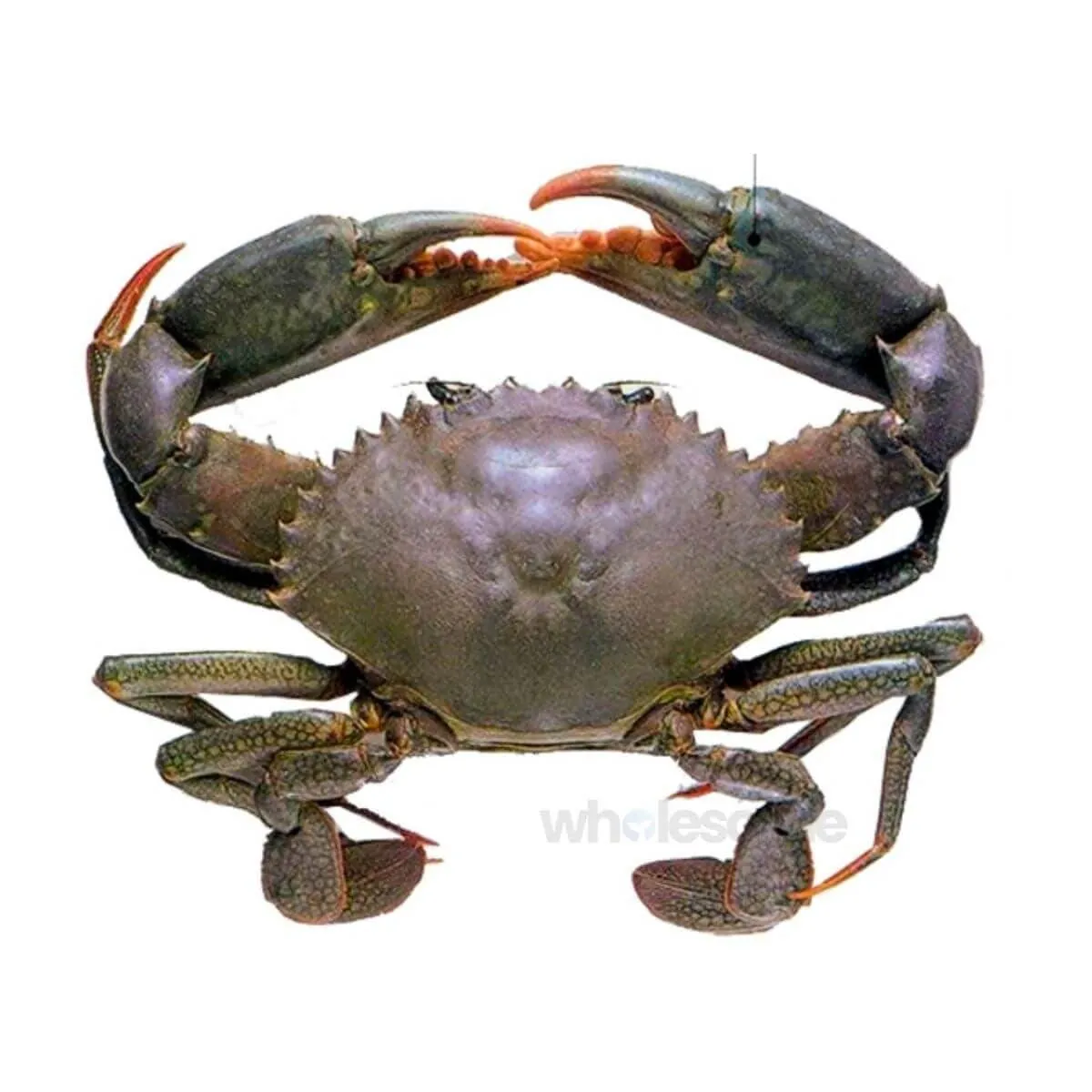
The mud crab, Scylla serrata, is a large crab of mangrove forests and muddy estuaries. It is also known as the mangrove crab, and in Urdu it is kekra or kekda. Its smooth, wide shell ranges from dark olive-green to brownish-black and has nine saw-like teeth along each side behind the eyes, which gives the species its name.
Other crabs you may see
- Other mud crab species: several closely related Scylla species look very similar, differing mainly in colour and fine shell details. They cook in the same way.
- Swimming or sea crabs: flatter crabs with thinner, often mottled or bluish shells, long slender claws and broad paddle-like back legs. They are lighter, with less meat, and suit soups and stocks.
- Mud crab versus lobster-style seafood: mud crab has a single wide body shell and two heavy claws; lobsters have long bodies with a tail full of meat.
Why the shell turns red
The dark shell contains a red-orange pigment that is bound to proteins and hidden in the raw crab. Heat releases it, so kekra turns bright orange-red in the pot.
Final Word
Cook crab live or very fresh, store it cold and briefly, freeze it only after cooking, and thaw in the fridge. Follow those rules and kekra will reward you with sweet, rich meat every time. Choose your crab on the Mud Crab (Kekra) page, browse the Crabs & Other Seafood range, and read our mud crab buying guide before you order.
Frequently asked questions
How long can I keep a live mud crab before cooking?
As short a time as possible. Keep it cool, covered with a damp cloth and with air around it, and cook it on the same day. A crab that dies before cooking should only be used if it was very freshly killed.
What is the yellow substance inside the crab shell?
It is the crab's digestive gland, often called crab butter or mustard. Many people enjoy its rich flavour stirred into a masala, but it is optional.
Should I freeze crab raw or cooked?
Cooked. Raw whole crab tends to turn watery and stringy in the freezer. Cook it, cool it quickly, then freeze the pieces or picked meat at -18 °C.
Are the gills of a crab poisonous?
They are not eaten because they are tough, feathery and unpleasant, and they can trap grit. Always remove them when cleaning the crab.