Medium Prawns at Home: Cleaning, Batch Freezing and Safe Leftovers
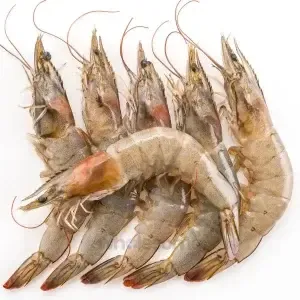
Because medium prawns are the size most families cook week after week, it pays to have a system: clean them once, freeze them in portions that match your favourite dishes, and thaw only what you need. This guide covers the practical side of handling Medium Prawns at home, from peeling to leftovers, plus a little background on what these prawns are.
What Are Medium Prawns?
The prawns sold in Pakistan for everyday cooking are mostly penaeid prawns – the family of marine prawns that also includes tiger prawns and many of the white and brown prawns found in the Arabian Sea. "Medium" is a size grade, not a species. The same kind of prawn may be sold as medium, large or jumbo depending on how big it has grown.
Locally you will hear them called jhinga, and in Bengali-speaking households chingri. People often use "shrimp" and "prawn" interchangeably in shops and menus. Biologists draw a line between the two groups based on body and gill structure, but in the kitchen the names mostly signal size, with "prawn" used for the bigger ones. If you want the distinctive striped kind, look at Tiger Prawns as a separate product.
Cleaning Medium Prawns Quickly
If you bought Whole or Headless (shell-on) prawns, set up a small station: a bowl of iced water, a bowl for shells, a clean board used only for raw seafood and a small sharp knife or toothpick.
- Remove the head: hold the body and twist the head off firmly. Drop heads into the shell bowl if you want stock.
- Peel: pull the legs apart and peel the shell off in sections. Leave the tail on if you like the look for pakoras; remove it for rice dishes.
- Devein: make a shallow cut along the back and lift out the dark vein with the knife tip or a toothpick. For very small prawns you can often pull it out from the head end without cutting.
- Rinse and chill: rinse quickly in cold water and return to the iced bowl while you finish the rest.
- Dry: pat dry before cooking or freezing.
If this sounds like too much work for a weeknight, choose Peeled and Deveined – that is exactly what it is for.
Batch Freezing for the Week Ahead
Medium prawns are well suited to freezing in recipe-ready portions. A little planning makes it easy to go from freezer to karahi on a busy evening.
How to portion
- Divide prawns into flat zip-lock bags sized for one meal – for example, one bag for a family karahi, one for pulao, a small one for soup or fried rice.
- Press out as much air as possible and lay the bags flat so they freeze quickly and stack neatly.
- Label each bag with the date and the cut (shell-on or peeled).
Shell-on or peeled?
Shell-on prawns tend to hold their moisture and texture better in the freezer, because the shell acts as a protective layer. Peeled prawns are more convenient but are more exposed to freezer burn, so wrap them well and use them sooner.
Freezer basics
- Freeze at -18 °C or below.
- Freeze promptly – ideally on the day you receive them, rather than after a day or two in the fridge.
- For best texture and flavour, use frozen prawns within a few months.
- Freeze the heads and shells separately for making stock.
Fridge Storage
If you are cooking within a day or two, keep prawns in the coldest part of the fridge at 0–4 °C, ideally in a covered container sitting on ice. Use them within 1–2 days. Keep raw prawns on the lowest shelf so their juices cannot drip onto cooked food or vegetables.
Thawing Safely
- Best: move the bag from freezer to fridge the night before. Flat bags of medium prawns usually thaw overnight.
- Quicker: place the sealed bag in a bowl of cold water, changing the water every 30 minutes, and cook straight away.
- Avoid: leaving prawns on the kitchen counter or in hot water, which lets the outside warm up while the inside is still frozen.
- Never refreeze prawns that were thawed raw. If you have thawed too many, cook them, then freeze the cooked dish.
Marinating Safely
Always marinate prawns in the fridge, not on the counter. Medium prawns need only 10–30 minutes. Lemon juice, vinegar or yoghurt start to change the texture if left too long, making the prawns soft or mealy. Throw away any marinade that has touched raw prawns, or boil it thoroughly if you want to use it as a sauce.
Leftover Prawn Pulao, Biryani and Karahi
Rice dishes with prawns need extra care, because both cooked rice and seafood should not sit warm for long.
- Cool leftovers quickly – spread pulao in a shallow container rather than leaving it in the deep pot – and refrigerate within about two hours of cooking.
- Eat refrigerated leftovers within 1–2 days.
- Reheat only the portion you need until it is steaming hot all the way through, and reheat it once only.
- Expect reheated prawns to be a little firmer. Adding a splash of water and covering the pan helps keep them moist.
Nutrition in Plain Terms
Prawns are a good source of protein and are naturally low in fat. How healthy a prawn dish is depends mostly on how it is cooked: a soup or lightly cooked karahi is a different meal from a deep-fried pakora platter. Shellfish allergy is one of the more common food allergies, so always check with guests before serving prawns, and keep prawn dishes clearly separate at mixed gatherings. If you have specific dietary needs, follow your doctor's advice.
Signs Prawns Should Not Be Used
- A strong ammonia or sour smell, raw or after thawing.
- Slimy, sticky flesh or a mushy texture.
- Heads gone very dark and soft, or shells pulling away from discoloured meat.
When in doubt, throw it out.
Make Prawns a Weeknight Habit
With a few labelled bags in the freezer, a prawn karahi or pulao becomes as easy as chicken. Try the recipes in our medium prawn recipes guide, then stock up from the Medium Prawns page or browse the wider Prawns & Shrimp range.
Frequently asked questions
Is it better to freeze prawns cooked or raw?
Raw prawns usually keep a better texture after freezing. Cooked prawn dishes can be frozen too, but prawns become firmer when reheated.
Why do frozen peeled prawns sometimes taste dry?
Usually freezer burn, from air reaching the prawns. Press air out of the bag, wrap well, freeze quickly and use peeled prawns sooner than shell-on ones.
Can I keep prawn heads and shells for later?
Yes. Freeze them in a separate bag and boil them into stock for pulao, soups or sauces. Keep them frozen until you use them.
How long can leftover prawn pulao stay out?
Refrigerate it within about two hours of cooking and eat it within 1–2 days, reheating until steaming hot all the way through.