How to Choose Tiger Prawns: Stripes, Freshness and the Right Cut
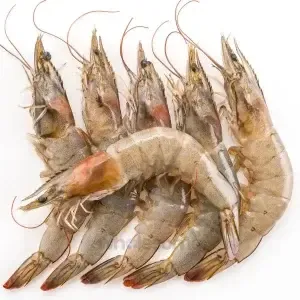
Tiger prawns are easy to spot once you know the signs: dark bands across a glossy shell, a firm body and, after cooking, a brilliant orange-red colour. A striped shell alone does not guarantee a good buy, though. This guide explains how to check tiger prawns for freshness, which cut suits which Pakistani dish, how much to order and the mistakes that most often spoil a special plate of jhinga.
What Makes a Tiger Prawn Different
Most prawns sold in Pakistan are penaeid prawns, and many are sold purely by size grade. Tiger prawns are sold by type. The name covers striped species of Penaeus, and they sit in the Prawns & Shrimp range as a choice for cooks who care about texture and presentation, not only size.
Giant tiger and green tiger
The giant tiger prawn (Penaeus monodon) has a dark grey, blue-black or brownish shell crossed by bold, contrasting light bands, and it can grow very large. The green tiger prawn (Penaeus semisulcatus) is paler, with a greenish or brownish shell and narrower stripes. Both have firm, sweet meat and both turn bright orange-red when cooked. For most home dishes you will not need to know which one you have, but if it matters to you, ask FishMart which type is in today's stock.
Tiger prawns versus size-graded prawns
If size is the only thing you care about – big skewers for a rooftop BBQ, for example – Jumbo Prawns may be the better match. For everyday butter garlic or masala prawns, Large Prawns work well. Choose tiger prawns when you want a firmer bite, a sweeter flavour and the striped shell that looks so good on a platter.
Freshness Checks Before You Cook
Whether you buy at a counter or receive an order at home, run through these checks before the prawns go into the pan:
- Smell: fresh prawns smell clean and mildly of the sea. Any ammonia, sour or bleach-like smell means they are past their best and should not be used.
- Stripes and shell: the bands should be clear and the shell glossy and slightly translucent. Faded, dull or milky-looking shells point to age or poor handling.
- Heads and black spots: heads should be firmly attached. A little darkening at the head joint can happen, but widespread black spots on the shell show the prawns are getting older.
- Firmness: press gently on the body. It should feel firm and spring back. Limp or mushy prawns, or shells sliding loose from the flesh, are warning signs.
- Surface: lightly moist is normal; sticky slime is not.
- Frozen packs: look for an even, thin glaze of ice with no dry white patches (freezer burn) and no large clumps of ice inside the pack, which can mean the prawns have thawed and refrozen.
Which Cut for Which Dish
Tiger prawns are offered whole (shell-on), headless (shell-on) or peeled and deveined. The right choice depends on what you are cooking:
| Dish | Best cut | Why |
|---|---|---|
| Tandoori or BBQ skewers | Whole (shell-on) or Headless (shell-on) | The shell protects the meat from drying out and chars attractively. |
| Butter garlic prawns | Headless (shell-on) or Peeled and Deveined | Shell-on gives more flavour; peeled is easier for guests. |
| Prawn karahi or masala | Peeled and Deveined | The meat soaks up masala and nobody has to peel at the table. |
| Masala tawa fry | Headless (shell-on) | Holds its shape and stays juicy on a very hot tawa. |
| Pulao, fried rice, pakoras | Peeled and Deveined | Bite-sized and quick to cook evenly. |
| Prawn stock or soup | Whole (shell-on) | Heads and shells carry most of the flavour. |
If you are unsure, headless shell-on is a flexible middle ground: you can grill it as is, or peel it at home for a karahi.
Size and How Much to Order
Tiger prawns vary in size with species and stock, so there is no fixed number of prawns per kilo – check the product page or ask FishMart about the size currently available. Remember that heads and shells make up a large share of the weight of whole prawns, so 1 kg of whole prawns gives you noticeably less meat than 1 kg of peeled prawns.
As rough guidance, for a karahi serving a family of four, about 1 kg of whole tiger prawns or around half that weight of peeled and deveined prawns is a common quantity. For a BBQ where prawns are one dish among several, plan a few large prawns per person; if they are the main event, plan more.
A Note on Seasonality
Prawn supply in Karachi changes through the year with weather, sea conditions and demand, and tiger prawns are no exception. Rather than relying on a fixed "season", ask for today's stock when you plan a menu. Winter is traditionally the busiest time for seafood gatherings and BBQ nights in Pakistan, so if you are planning a dawat, order early and keep a backup dish in mind.
Ordering Online: What to Specify
- The product: if you specifically want striped tiger prawns rather than a size grade, order tiger prawns by name.
- The cut: whole, headless or peeled and deveined, based on the table above.
- The weight: allow for heads and shells if you order whole prawns.
- Your dish: mentioning that you are making BBQ skewers or a karahi helps the team suggest a suitable size from current stock.
- When you will cook: plan whether the prawns go straight into the fridge for cooking within 1–2 days or into the freezer.
When the order arrives, check the prawns using the freshness points above and refrigerate them at 0–4 °C straight away.
Common Mistakes to Avoid
- Grilling peeled prawns over fierce coals: without the shell they dry out fast. Keep shells on for the grill.
- Leaving prawns out while you make the masala: keep them in the fridge until the moment they go in the pan.
- Long lemon marinades: acid starts to change the texture; keep it short and in the fridge.
- Overcooking: firm tiger prawns are forgiving, but not that forgiving. Stop once the flesh is opaque.
- Refreezing thawed raw prawns: it damages texture and is not safe practice. Thaw only what you need.
- Throwing away the heads: simmer heads and shells for a quick stock for pulao or soup.
Final Word
Good tiger prawns are glossy, clearly striped, firm to the touch and smell of the sea. Match the cut to your dish, order by weight with the shells in mind, and keep everything chilled until cooking. When you are ready, choose your cut on the Tiger Prawns page, then try our tiger prawn recipes for karahi, butter garlic and tandoori skewers.
Frequently asked questions
Are black spots on tiger prawns dangerous?
Black spots are a natural darkening that appears as prawns age after harvest. A little at the head joint is common, but widespread spots suggest the prawns are not at their best. Always combine this check with smell and firmness.
Should I buy whole or peeled tiger prawns for a dawat?
For BBQ or tandoori, whole or headless shell-on prawns look better and stay juicier. For a karahi or pulao where guests eat with roti or rice, peeled and deveined saves everyone the effort of peeling.
How do I know which tiger prawn species I am getting?
Giant tiger prawns usually have darker, bolder bands, while green tiger prawns are paler with narrower stripes. Both cook in the same way. If you want to know, ask FishMart which type is in today's stock.
Is a strong smell normal for prawns?
No. Fresh prawns smell mild and sea-like. A strong ammonia, sour or chemical smell means the prawns should not be eaten.