Hamour Buying Guide: Choosing Gissar Whole, Sliced or Boneless
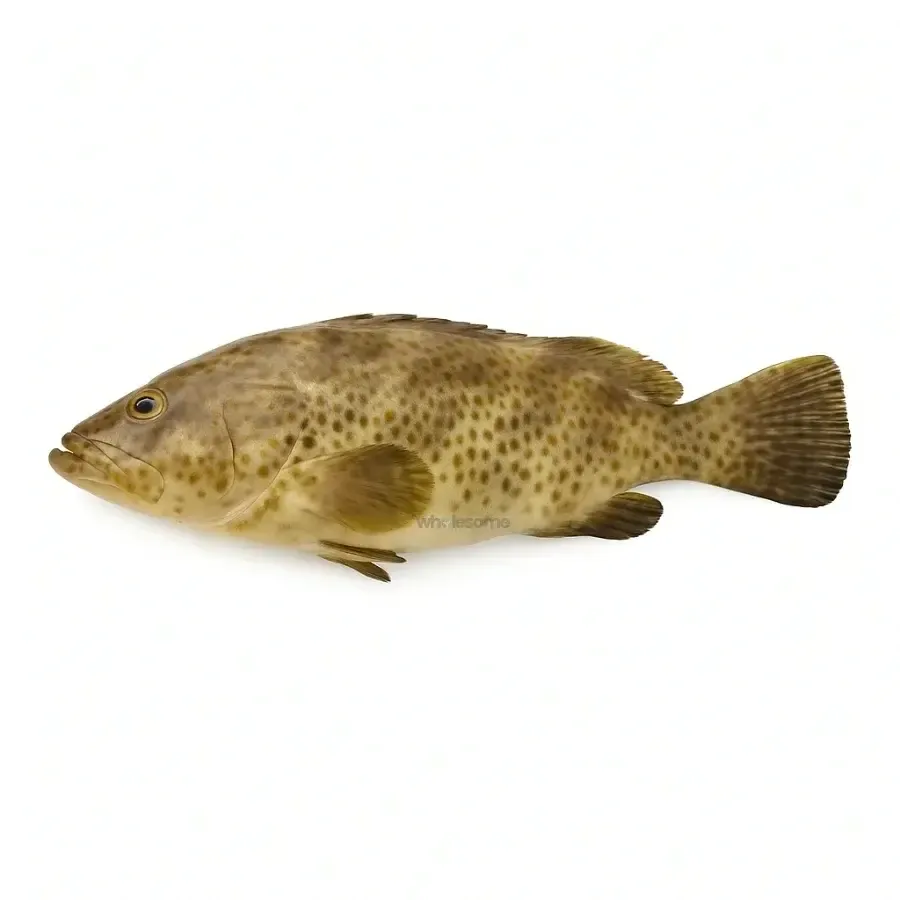
Hamour – Gissar to many Karachi households – is the fish people reach for when they want generous, meaty white pieces without fiddly bones. It is a grouper, a thick-bodied fish with firm, moist flesh that suits almost every Pakistani cooking style, from a peppery karahi to smoky BBQ tikka. Because it is offered in so many forms, choosing Hamour (Gissar) is less about whether to buy it and more about which cut and how much. This guide walks you through freshness checks for both whole fish and fillets, matching cuts to dishes, and ordering online with confidence.
Getting to Know Hamour
Hamour is a trade name for several grouper species of the genus Epinephelus, such as the orange-spotted grouper. They share a robust body, a big mouth with a jutting lower jaw, a rounded tail and mottled or spotted skin in browns, olives and orange tones. The exact pattern varies between species and individual fish, so do not worry if two Hamour look slightly different. What matters is freshness and how the fish has been handled.
Freshness Checks for Whole Hamour
Eyes
Look for clear, bright, slightly convex eyes. Cloudy, flat or sunken eyes suggest an older fish.
Gills
Grouper gills sit under a large gill cover. Gently lift it: the gills should be bright red and moist, not brown, grey or coated in sticky slime.
Skin and slime
Fresh grouper skin has a natural, clear, light slime and vivid markings. Thick, cloudy or yellowish slime and faded colours are signs of age.
Firmness
Press the thick shoulder behind the head. Fresh Hamour feels dense and springs back. Soft flesh that holds a dent is past its best.
Smell
A clean, mild, briny smell is what you want. Hamour is a mild fish, so any strong or sour smell is an immediate red flag.
Freshness Checks for Slices and Fillets
Many customers buy Hamour already cut, so it is worth knowing what good cut fish looks like:
- Colour – the flesh should be moist, translucent white to very pale pink. Avoid pieces that look chalky, dry at the edges, or yellowish.
- No gaping – the flakes should be tight together. Gaps or splits between the muscle segments suggest the fish is older or has been badly handled.
- Bloodline – on slices, the thin dark line near the spine should be red, not brown.
- Liquid – a little clear moisture is normal. Milky or cloudy liquid pooling around the fish is not.
- Smell – fillets should smell as clean as the whole fish.
Which Cut for Which Dish
| Cut | Best dishes | Notes |
|---|---|---|
| Whole (uncleaned) | Cooks who clean at home; stock | Gives you the head and frame for soup |
| Whole and Gutted | Baked or grilled whole fish | Best with a smaller fish for even cooking |
| Headless and Gutted | Oven roast, large-family grill | Easier to fit on a tray or grill |
| Slices | Fish karahi, salan, tawa fry | Bone-in steaks add flavour to gravy |
| Boneless Fillet | Pan-sear, bake, steam, butter-garlic | Even thickness, quick and neat |
| Boneless Biscuits | Tikka, white karahi, handi, pakoras | Cubes hold their shape on skewers and in gravy |
| Boneless Fingers | Crumb-fried fish fingers, kids' meals | Quick to cook, easy to coat |
A simple rule: bone-in slices for gravies where depth of flavour matters, boneless cuts where speed, neatness or children are a priority.
Size Matters for Hamour
Groupers range from plate-sized fish to very large ones. Smaller fish are best for cooking whole, because they cook through before the outside dries. Larger fish are better sliced into steaks or filleted, giving thick, juicy pieces. If you have a size in mind, mention it when ordering – sizes depend on the catch, so ask FishMart what is available today.
How Much to Order
- Slices for karahi or salan: around 1 kg for a family of four.
- Boneless fillet, biscuits or fingers: roughly 750 g for four, since there is no bone weight.
- Whole fish: order more, as the head, frame and innards account for a good part of the weight.
Ordering Hamour Online: What to Specify
- Choose the cut on the product page to suit your dish.
- Mention thickness if you have a preference – thicker slices for grilling, medium for karahi.
- Ask for the head and frame if you want to make fish soup or yakhni, when buying a whole fish.
- Plan your cooking day so the fish goes from delivery to fridge to pan within 1–2 days.
For anything not listed – size, today's stock or special cleaning – contact FishMart.
Common Mistakes to Avoid
- Buying fillets for a long-simmered salan. Boneless pieces are fine in gravy, but add them late and simmer gently; bone-in slices are more forgiving.
- Choosing thin pieces for the grill. Thin cuts of lean fish dry out fast. Go thick for BBQ.
- Throwing away the frame. Grouper bones make a wonderfully clean stock.
- Leaving fish in the delivery bag. Unpack and refrigerate straight away at 0–4 °C.
Hamour Compared with Similar Fish
If you like Hamour, you will probably enjoy Red Snapper (Heera), which has a similar firm, mild white flesh and is great fried whole. For a fully boneless, lean alternative for grilling, see Mahi Mahi Boneless Fillet. Both sit alongside Hamour in our wider seafood range, including Fresh Sea Fish.
Choose with Confidence
Clear eyes, red gills, firm flesh and a clean smell for whole fish; translucent, tight, moist flesh for cuts – that is all you need to remember. Match bone-in slices to gravies and boneless cuts to quick cooking, and order only what you will cook within a day or two. Ready to cook? Order fresh Hamour from FishMart and try our Hamour karahi and tikka recipes.
Frequently asked questions
Why do two Hamour fish look different?
Hamour is a trade name covering several grouper species, and markings also vary between individual fish. The eating quality is similar; judge each fish on freshness rather than its spots.
Are Boneless Biscuits good for karahi?
Yes. Hamour cubes are firm enough to hold their shape in a karahi. Add them towards the end and simmer gently so they stay whole.
What does gaping mean in a fish fillet?
Gaping is when the muscle flakes separate, leaving splits in the flesh. Fresh, well-handled Hamour fillets look tight and smooth.
Should I buy a big Hamour to cook whole?
Smaller fish are better for cooking whole because they cook evenly. A large grouper is better sliced into steaks or filleted.