Black Pomfret (Kala Paplet): Storage, Safe Handling and Species Guide
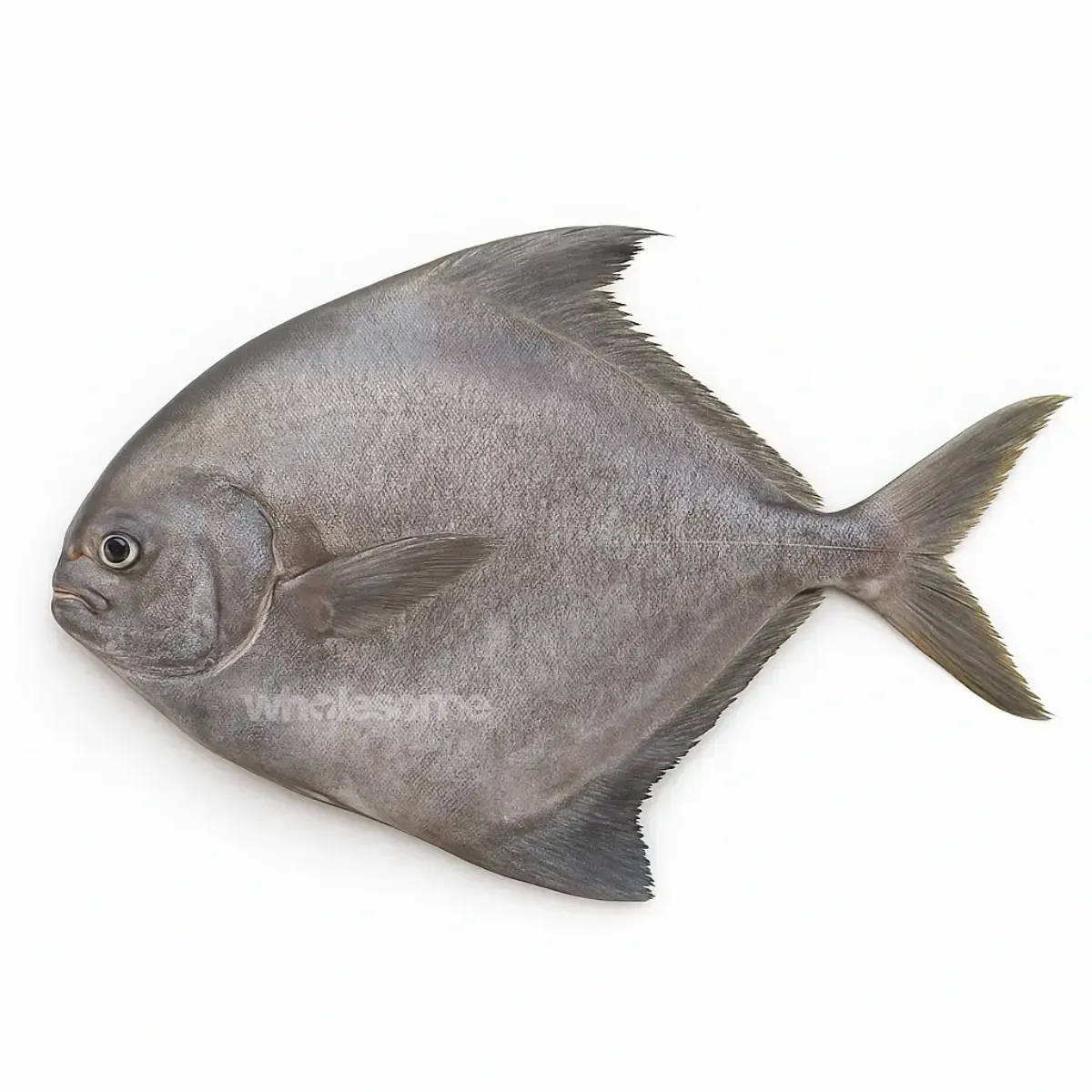
Black Pomfret is usually bought whole, which means a little more work at home – and a little more care with storage – than a tray of ready fillets. The reward is a fish that fries and grills with crisp skin and firm, flavourful flesh. This guide walks through cleaning, refrigerating, freezing and thawing Black Pomfret (Kala Paplet), safe marinating and leftovers, nutrition in general terms, and what this fish actually is.
What Is Black Pomfret?
Black Pomfret, Parastromateus niger, is a deep-bodied, flattened marine fish found in warm coastal waters of the Indo-West Pacific, including the Arabian Sea. It often swims in schools over muddy bottoms. Although it is called a pomfret in markets across South Asia, it is not a true pomfret. True pomfrets such as the silver or white pomfret belong to the family Stromateidae, while black pomfret belongs to Carangidae – the same family as jacks, trevallies and scads.
Locally it is called Kala Paplet ("black pomfret"), and in some regions it may be known by other names. Its family links explain its eating qualities: like many jacks, it has firmer, darker, more flavourful flesh than the soft, pale meat of true pomfrets.
How to Tell It Apart
- White Pomfret (Safaid Paplet): silvery-white skin, a smaller and less sharply forked tail, and very soft, delicate flesh.
- Black Pomfret: dark grey to brownish-black skin, long sickle-shaped dorsal and anal fins, a deeply forked tail, and no pelvic fins in adults.
- Other flat jacks and trevallies: some have yellow fins or obvious bony scutes along the tail; black pomfret is uniformly dark with a neat, rounded profile.
Cleaning Kala Paplet at Home
If you buy Whole (uncleaned), clean it soon after it arrives:
- Use a separate chopping board for raw seafood, a sharp knife and strong kitchen scissors.
- Trim fins: cut away the dorsal and anal fins along the body and trim the tail. Take care – fin edges can be sharp.
- Scale: black pomfret has small scales. Scrape lightly from tail to head with the back of a knife; many cooks simply rub them off under cold running water.
- Gut: make a short cut along the belly behind the gills – the gut cavity in a flat fish is small and close to the head. Remove the insides and scrape away the dark lining.
- Gills: remove them if you are keeping the head; they spoil fastest.
- Rinse briefly and pat the fish dry inside and out.
- Score or slice: make diagonal cuts for whole cooking, or cut straight across into thick slices for salan.
- Clean the board, knife, sink and your hands with hot soapy water.
Prefer to skip this? Choose Whole and Gutted, Headless and Gutted or Slices when ordering.
Refrigerating
- Store at 0–4 °C on the coldest shelf, usually the lowest one at the back.
- Place whole fish flat in a covered container or a sealed bag on a tray to catch drips.
- Sitting the container on ice keeps the temperature low; drain melted water so the fish does not soak.
- Cook within 1–2 days. Richer-fleshed fish can develop strong flavours sooner, so earlier is better.
Freezing
- Freeze at -18 °C or colder.
- Pat dry, wrap each whole fish or set of slices tightly in cling film to protect the skin, then seal in a freezer bag with the air pressed out.
- Freeze whole fish flat so they keep their shape and thaw evenly.
- Label with cut and date. For best flavour and texture, use within a couple of months.
Thawing
Thaw in the fridge overnight, on a plate or tray. Whole fish may take a little longer than slices. For a quicker method, keep the fish sealed in its bag and immerse it in cold water, changing the water every 30 minutes, then cook straight away. Never thaw on the counter or in warm water, and do not refreeze raw fish that has been thawed. Dry the skin well after thawing so it crisps when fried.
Marinating Safely
- Marinate in the fridge in a covered dish.
- Whole scored fish can take 30–45 minutes in a spice paste; with lots of lemon or tamarind, keep it nearer 30 minutes.
- Discard marinade that has touched raw fish, or boil it thoroughly before using it as a sauce.
- At a BBQ, keep raw and cooked fish on separate plates and use separate tongs and brushes.
Cooking Thoroughly
Because whole black pomfret is thickest along the spine, the outside can look done before the centre is. Check inside the deepest score: the flesh should be opaque and lift cleanly from the bone, with no glassy patches.
Leftovers
- Refrigerate cooked fish within two hours, in a covered container.
- Eat within 1–2 days.
- Reheat fried or grilled fish in a hot oven, air fryer or on a tawa until piping hot to keep the skin crisp; reheat salan gently on the stove.
- Reheat once only.
- Leftover fish flaked off the bone makes a quick fish bhurji with onions, tomato and green chilli – just check carefully for bones.
Nutrition, Simply
Like other sea fish, Black Pomfret is a good source of protein and can be part of a balanced, varied diet. Its flavour is richer than lean white fish, so a little goes a long way with rice and vegetables. Grilling or baking uses less oil than deep frying. If you are pregnant or have particular dietary needs, follow your doctor's advice on fish intake.
Handle It Right
Trim the fins, clean promptly, keep it cold and thaw it in the fridge, and Kala Paplet will reward you with firm, flavourful meals. For a stronger-flavoured alternative, see Bangda (Indian Mackerel); for cooking ideas, read our Black Pomfret recipes. Browse the /product-categories/fresh-sea-fish range or order Black Pomfret in the cut you need.
Frequently asked questions
Why is Black Pomfret in the jack family if it is called a pomfret?
Market names often follow appearance. Its flat, rounded shape resembles true pomfrets, but its anatomy places it in Carangidae with jacks and trevallies.
Do I need to scale Black Pomfret?
Its scales are small. A light scrape or a rub under cold running water is usually enough before cooking.
Can I freeze whole Black Pomfret without gutting it?
It is better to gut and clean it first. The insides spoil faster than the flesh, even in the freezer.
Why does thawed pomfret skin go soggy when fried?
Thawed fish releases moisture. Pat the skin very dry and dust it lightly with rice flour or sooji before frying.